Victoria Mbangwa
The Concerned Parents and Educators (CPE) has called on the federal government to Implement a structured system that considers age from the onset of a student’s academic instead of the age restriction policy.
The CPE recommend that the federal government should address the issue from the start. Rather than imposing such restrictions at the final stage of secondary education.
This was disclosed In a statement released on Friday and signed by Mrs. Yinka Ogunde, Coordinator and CEO of Edumark Consult, urging the federal government to consider the implications of their decision.
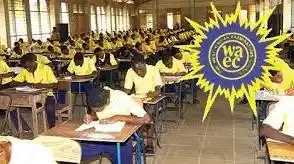
The statement reads, “The Concerned Parents and Educators (CPE) expresses deep concern over the recent directive issued by the Minister of Education, which prohibits students under the age of 18 from sitting for the West African Senior School Certificate Examination (WASSCE).
“This decision highlights, once again, the arbitrary processes often employed in governmental decision-making, especially in matters that critically affect the future of our youth.
“The implications of this directive are far-reaching and potentially detrimental. We, therefore, urge the Minister to consider the implications of this decision.
“The government should realise that hundreds of thousands of students may find themselves idling on the streets for an extended period of two to three years, merely awaiting the chance to sit for an examination that could shape their future.
“CPE believes that instead of imposing such restrictions at the terminal stage of secondary education, it would be more prudent to address the issue from its foundation. Compliance with existing admission guidelines could peg primary school admission age at 6 years and secondary school admission age at 12 years.
“Implementing a structured system that considers age from the onset of a student’s academic journey would foster a more effective and fair educational environment.
“Such a system would prevent abrupt and disruptive changes at crucial academic stages, thereby supporting a smoother transition through the educational system.
The CPE also highlighted the potential social impact of this policy, warning that it could lead to a large number of young people with no constructive activities, which could have broader societal repercussions.
“Furthermore, we must ponder the societal impact of having a significant number of young individuals, potentially left without constructive activities, wandering the streets across the nation. This is not merely an educational concern but a social one that could have lasting repercussions.
“In light of these concerns, the CPE earnestly calls upon the Honorable Minister to reconsider this directive.
“We urge a thoughtful and comprehensive review of the potential impacts, and to engage in dialogue with stakeholders to devise a more balanced solution.” It added.