Bukola Afeni
The Federal Government has intensified moves to build a robust digital governance framework aimed at protecting Nigeria’s data and boosting local technological capacity.
The initiative, led by the National Information Technology Development Agency, focuses on developing high standard regulatory policies to enhance digital integration while ensuring critical systems remain under domestic control.
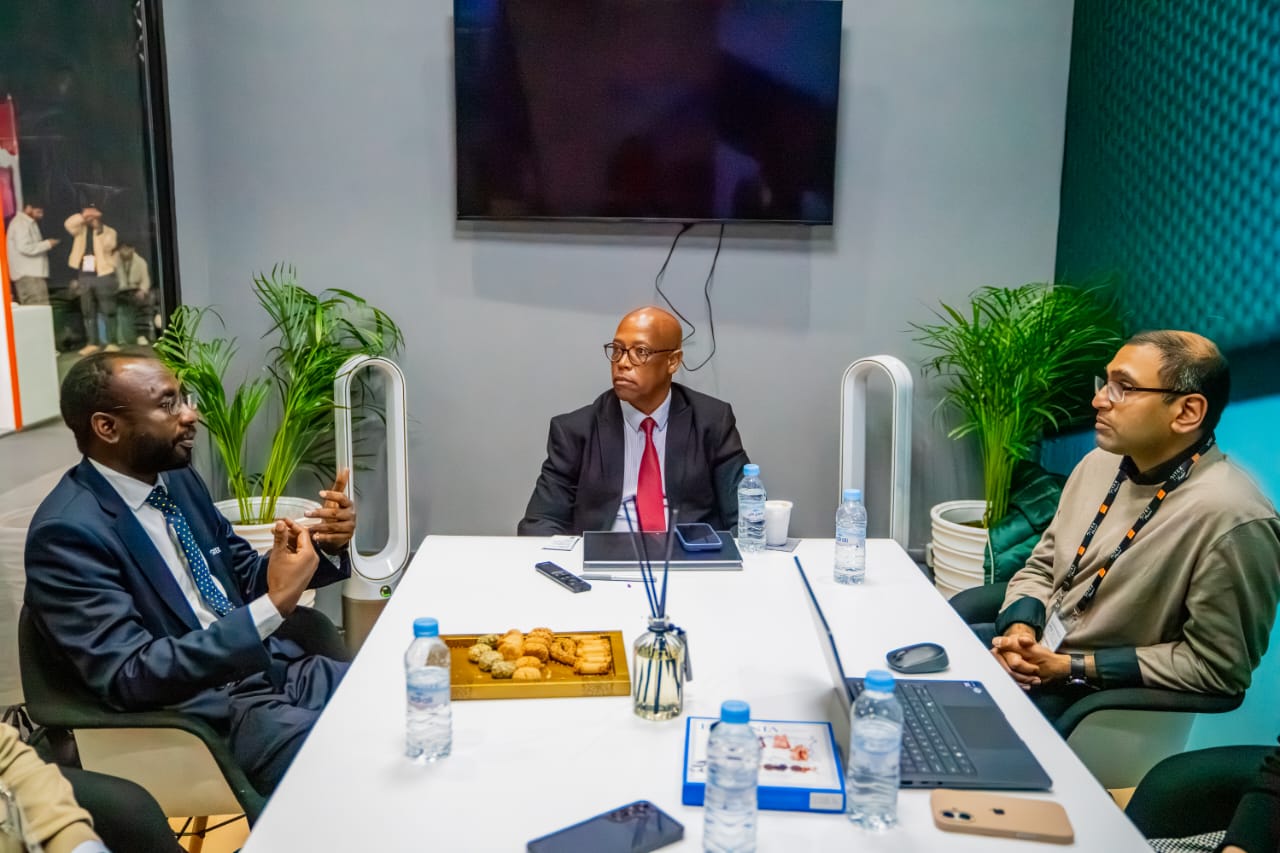
Director General of NITDA, Kashifu Inuwa Abdullahi, disclosed this during an engagement with Ericsson at GITEX Africa.
“We are building our national software infrastructure. We are coming up with very high standard regulatory policies that will help us build capacity for digital software integration,” he said.
Inuwa said the strategy is focused on protecting national interests and achieving long term technological independence.
“For me, it is not about politics. It is about how we, as a country, have control and are able to shape our digital future,” he added.
He explained that Nigeria is pursuing balanced partnerships with global technology companies to ensure local value creation.
“We are not saying we are banning hyperscalers from coming. We want them to come, work with local partners, create value in Africa, and let us capture that value here,” he said.
He noted that Nigeria’s approach aligns with global trends that recognise digital infrastructure as critical national infrastructure.
“We already have an executive order that makes all digital infrastructure a national critical infrastructure,” he said.
He added that protecting locally generated data and building domestic digital capacity remain key priorities.
“We want to keep the intelligence in our country. We want to be part of creating value, not just receiving technology,” he said.
The Federal Government is expected to unveil clearer policy direction in the coming months.
On the industry side, Ericsson’s Director for Government and Policy Advocacy in Africa, Amos Haddebe, said the company has operated in Nigeria for over five decades, supporting the evolution of telecommunications from 2G to 5G.
He said Ericsson continues to collaborate with operators such as MTN Group to advance digital transformation.
Haddebe said a Memorandum of Understanding signed with the Nigerian government in October 2024 includes a joint innovation hub, a national hackathon, digital skills development programmes, and exchange of best practices.
He also urged governments to treat ICT infrastructure as a matter of national security and promote a diversified vendor ecosystem to strengthen resilience.