Victoria Mgbanwa
In a bold move to curb Nigeria’s growing nutrition crisis and empower young farmers, the Federal Government, in collaboration with the Food and Agriculture Organization (FAO) and key stakeholders, has rolled out a transformative project “Nourishing Nigeria” aimed at combating malnutrition and strengthening food security through nutrition-sensitive agriculture.
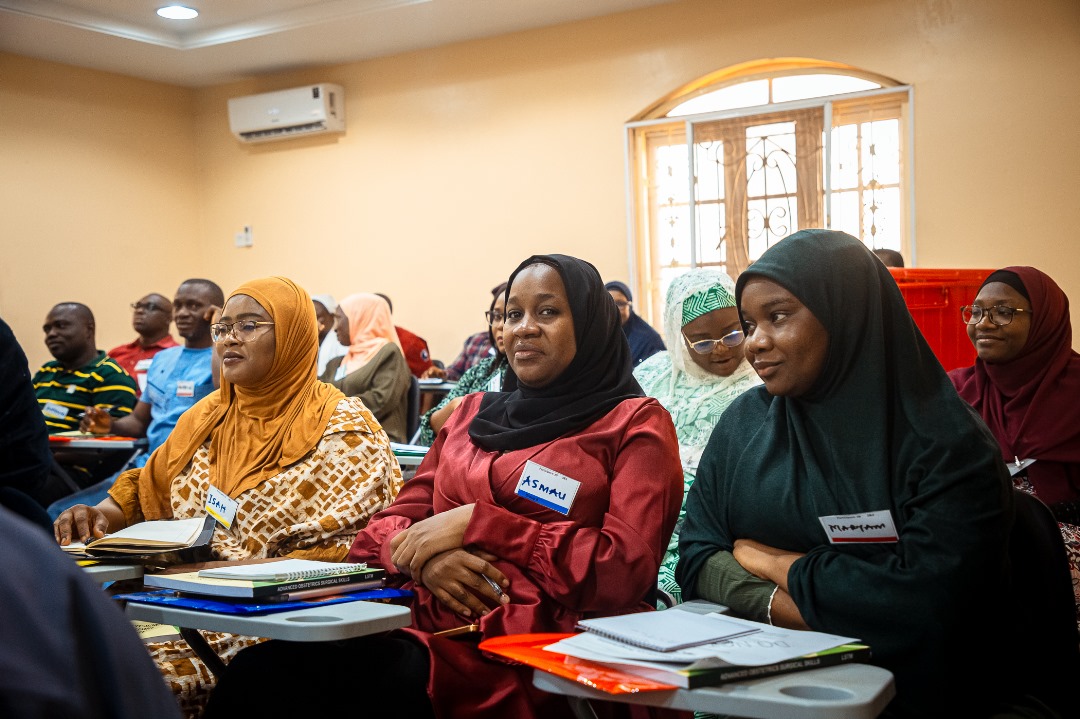
The Federal Ministry of Agriculture and Food Security, in partnership with FAO and other stakeholders, convened a high-level inception workshop for the “Nourishing Nigeria” project at Abuja, signaling a renewed commitment to addressing malnutrition and food insecurity nationwide.
Representing the Permanent Secretary of the Ministry, Dr. Marcus Ogunbiyi, at the event, the Director of Agricultural Lands and Climate Change Management Services, Mr. Oshadiya Olanipeku, said the project is a Technical Cooperation Programme designed to realign the Agriculture Sector Food and Nutrition Strategy (ASFSNS) with both national and international standards.
A core component of the initiative includes the establishment of Junior Farmer Field and Business Schools. These will empower youth at the grassroots with vital technical and entrepreneurial skills, fostering a new generation of agriculturally skilled and nutrition-conscious farmers.
Dr. Ogunbiyi emphasized that nutrition-sensitive agriculture is essential in tackling key public health concerns such as stunting, wasting, and underweight, by enhancing awareness of healthy diets, strengthening food value chains, and promoting diverse food production at the household level.
“The efforts will align with Nigeria’s food systems transformation agenda which seeks to boost dietary diversity and sustainable food security, targeting significant reduction in malnutrition”. he stated.
The Permanent Secretary further highlighted the alarming statistics, stating that anemia affects 30.5% of young children, 20.3% of adolescent girls, 23.3% of women of reproductive age, and 31.5% of pregnant women in Nigeria. These figures, he noted, reflect the severe micronutrient deficiencies that plague the population.
In response, the Ministry is promoting homestead gardening through the distribution of nutrition input packs to vulnerable households, enabling them to grow and consume biofortified crops, fruits, and vegetables for improved dietary intake.
Director of Food and Nutrition Safety, Nuhu Adamu Kilishi, echoed the need for a multi-sectoral approach that brings together stakeholders from agriculture, health, and other key sectors to collaboratively tackle the malnutrition crisis.
The Chairman of the House Committee on Food and Nutrition, Hon. John Chike Okafor, described the initiative as timely and in sync with the legislative mandate to provide strong support in combating food insecurity and malnutrition.
FAO Country Representative Dominique Koffy Kouacou, represented by Programme Officer Tofiq Braimag, stated that “Nourishing Nigeria” integrates nutrition-focused strategies into agricultural planning and policymaking, marking a significant step toward sustainable development.
The event drew participation from top representatives of UNICEF, World Food Programme, State Commissioners of Agriculture, and other development partners signaling strong cross-sectoral commitment to ensuring every Nigerian has access to nutritious, affordable food.