Bukola Afeni
As the world commemorates World Malaria Day 2025, The Minister of State for Health and Social Welfare, Dr. Iziaq Adekunle Salako, has reaffirmed the federal government’s commitment to ending malaria, a disease that continues to threaten millions of Nigerians, particularly children under five and pregnant women.
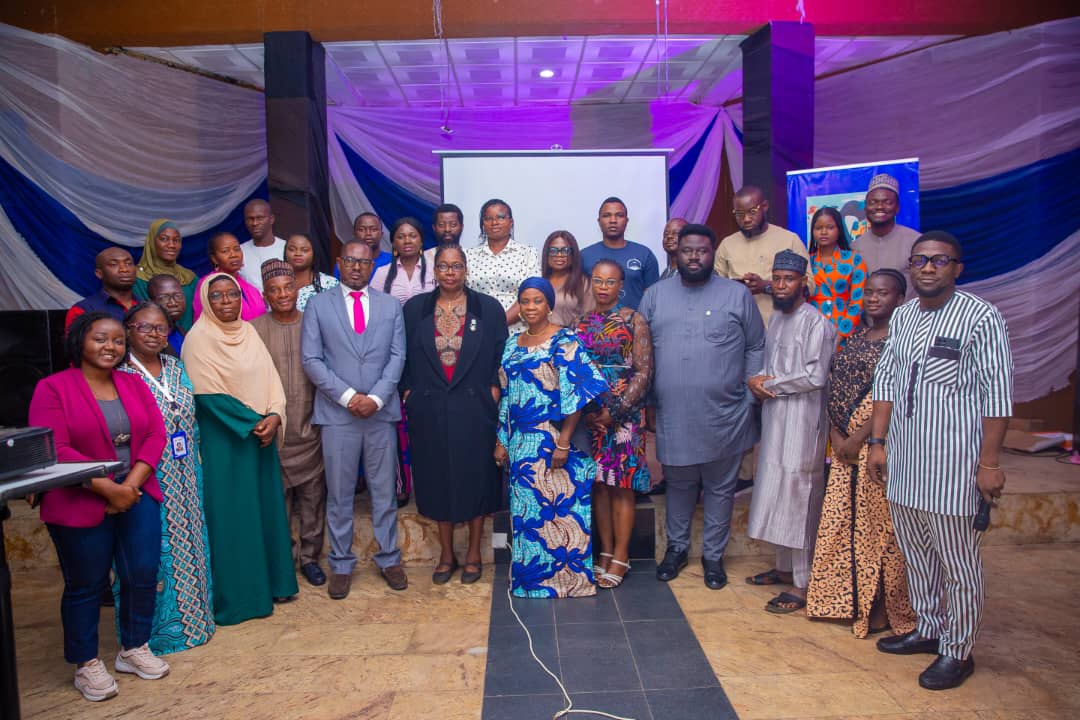
Salako stated this while addressing stakeholders and partners at the World Malaria Day 2025 ceremony held on Friday in Abuja.
He credited President Bola Ahmed Tinubu’s leadership for making disease elimination a national priority, saying, “The President’s commitment has provided the needed high-level political leadership for our current efforts and strategies.”
The Minister also addressed the recent halt of USAID/PMI support in some Nigerian states, assuring that the government had made adequate budgetary provisions to fill funding gaps and would ensure the supply of essential malaria commodities like ACTs, RDT kits, and injectable artesunate.
Dr. Salako called for greater private sector involvement through partnerships like the Nigeria End Malaria Council, chaired by businessman Alhaji Aliko Dangote, emphasizing that eliminating malaria requires public-private cooperation.
WHO Nigeria Country Representative, Dr. Walter Kazadi Mulombo, emphasized the need to strengthen primary health care and increase domestic investments to expand access to life-saving tools, in eliminating deadly disease.
According to Mulombo, Malaria continues to claim thousands of lives annually, particularly among young children and pregnant women, however said, with strong leadership, innovation, and sustained investment, its elimination is within reach.
He said: “Malaria remains a major health threat that takes the lives of thousands of people every year, most of them young children and pregnant women. With strong leadership, innovation, and sustained investment, malaria elimination is within reach.”
Permanent Secretary of the Ministry of Health, Daju Kachollom, revealed that the federal government has subsidized malaria treatment, particularly within the primary health care sector.
She urged Nigerians, especially pregnant women and children under five, to seek care at primary health care centers where treatments are now more accessible through the National Health Insurance Agency.
Daju emphasized that while significant progress has been made, much work remains in the effort to eradicate malaria in Nigeria.
She highlighted the impact of broader challenges such as climate change, insecurity, and humanitarian issues on malaria control efforts, stating, “A lot of factors actually affect the treatment and possibly the elimination of malaria. We’re an agrarian nation, and this requires a comprehensive, inter-ministerial approach through our technical working group.”
This year’s World Malaria Day, themed “Malaria Ends With Us: Reinvest, Reignite, Reimagine,” offers an opportunity to reflect on successes, draw lessons, and chart a path forward. According to Daju, Nigeria has seen a 20% reduction in malaria cases and a 25% decline in malaria-related deaths since 2010, achievements attributed to effective government strategies and interventions.
However, the Permanent Secretary stressed the need to sustain and intensify efforts.
She cited the recent World Malaria Report, which underscores the importance of private sector involvement and enhanced funding. She acknowledged the role of the End Malaria Council, chaired by prominent businessman Aliko Dangote, in mobilizing resources and partnerships to complement government initiatives.