Esther Salifu
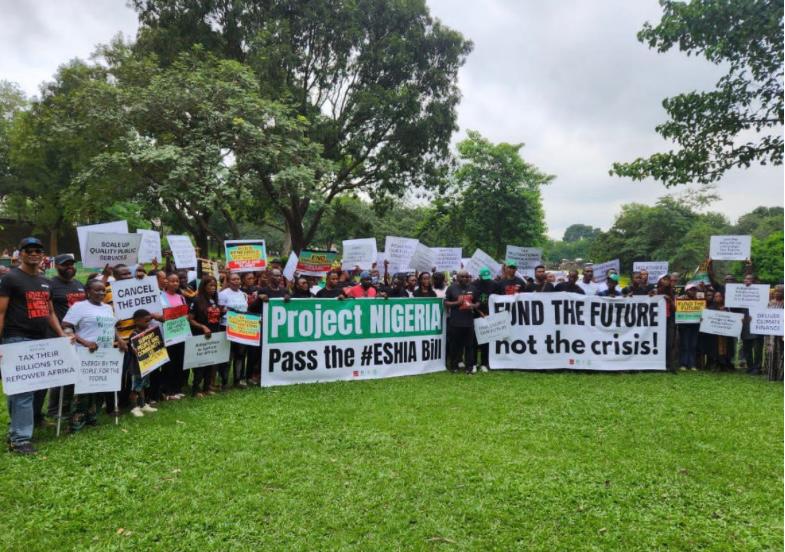
Nigerians on Saturday joined millions of people across the world in marking the Day of Global Climate Action, with a spirited march in Abuja calling on leaders to “draw the line” against climate injustice and destructive industries.
The march, part of the global #DrawTheLine campaign, saw young people, women farmers, activists, and civil society groups take to the streets with placards and chants demanding urgent steps to protect vulnerable communities already facing the brunt of climate change.
“Today, we join voices with millions around the world for the #DrawTheLine Day of Global Climate Action, a united stand against climate injustice, poverty, environmental destruction, and the silent genocide facing vulnerable communities,” said Dr. Michael Terungwa David, Executive Director of the Global Initiative for Food Security and Ecosystem Preservation (GIFSEP).
David urged the Nigerian government to stop channeling public funds into industries that worsen climate impacts and instead invest in resilience, renewable energy, and sustainable livelihoods. He also called for debt cancellation for African countries and the passage of the Environmental, Social and Health Impact Assessment (ESHIA) Bill currently before the National Assembly.
“Our future cannot be mortgaged to the profits of industries that destroy lives and livelihoods,”“Together, we march. Together, we demand. Together, we draw the line.” He added.
International aid agency Oxfam also joined the Abuja march, emphasizing the need to link Nigeria’s local struggles with the wider global movement. Representing the Country Director, Dr. Kenneth Akpan said:
“Oxfam is supporting this campaign around the world to highlight climate injustice, poverty, and gender inequality, which too often remains silent in climate conversations. Without commitments from state and local levels, Nigeria’s national pledges will not materialize.”
The event was marked by strong youth participation, with students and young activists leading chants and displaying creative climate-themed messages. Ifebuche Chukwu Fransisca Ede, Project Coordinator for Oxfam’s Climate Justice Youth Ambassadors, insisted that young people must be included in decision-making processes.
“You can’t plan our future in our absence. We have the energy, the numbers, and the ideas,” she said. “Government must include us at all levels and fund youth-led innovations in recycling, renewable energy, and other creative solutions.”
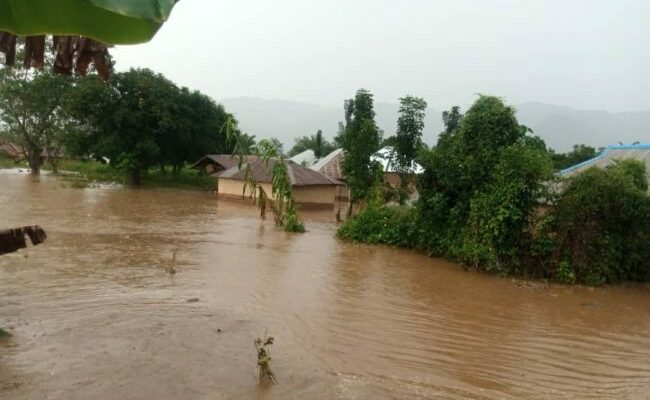
Women farmers also used the march to highlight how erratic weather patterns are threatening food security. Pauline Jingali, a smallholder farmer, recounted how her harvests have been repeatedly destroyed by droughts and floods.
“When we are supposed to farm, there is drought. When we finally start farming, then heavy rains destroy everything,” she lamented. “We are trying to adapt, but we cannot do it alone. We need government intervention to protect our farms and livelihoods.”
With chants of “Environment First, Politics Later” ringing through the streets, the Abuja march underscored a growing demand from Nigerians for decisive climate action. As part of the global wave of protests, it linked local struggles with international calls for justice, resilience, and a sustainable future.