Bukola Afeni
The Federal Government has reaffirmed its commitment to strengthening breastfeeding in Nigeria, noting that only 29 percent of children under six months are exclusively breastfed despite the health and economic benefits of the practice.
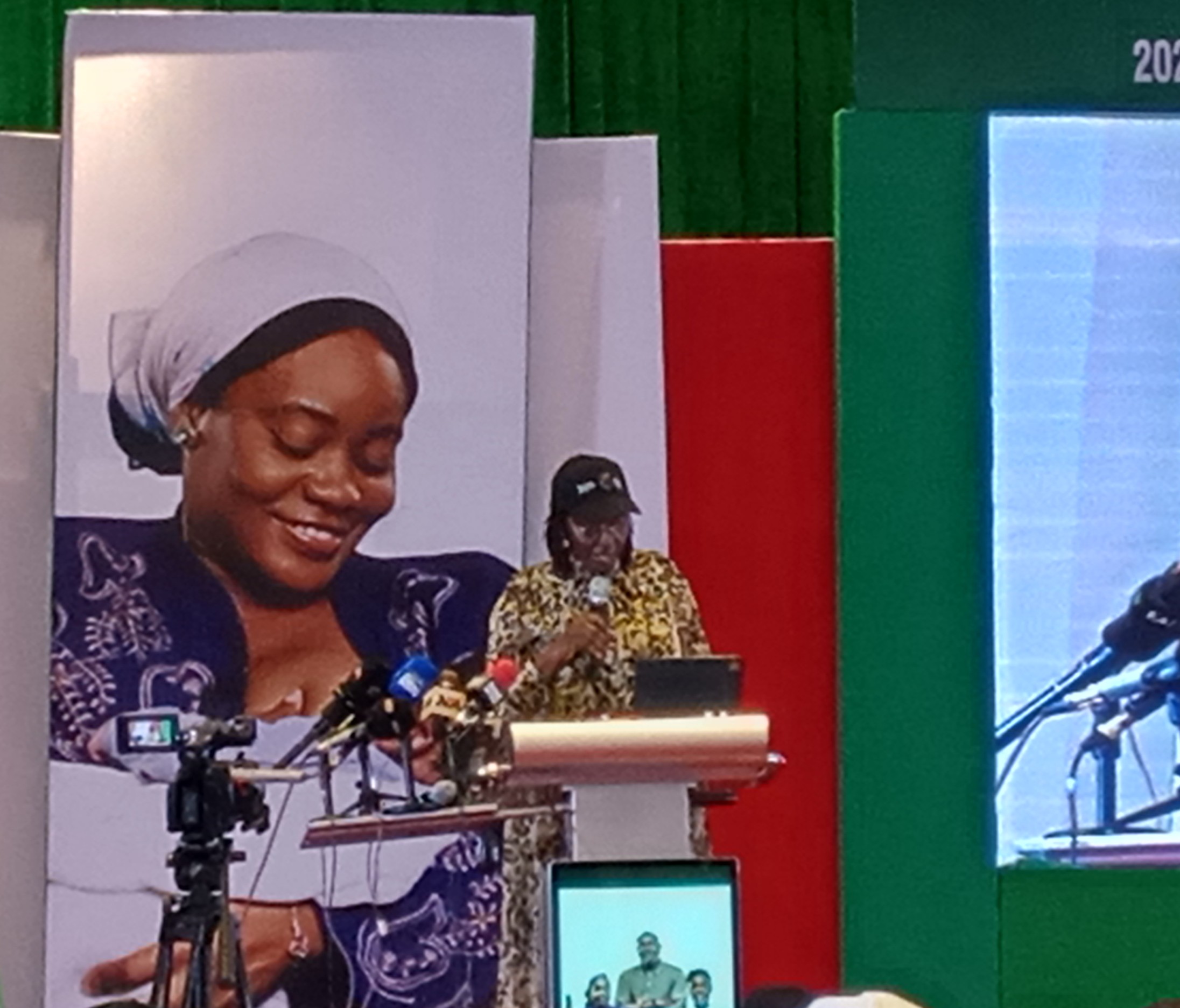
The Coordinating Minister of Health and Social Welfare, Professor Muhammad Ali Pate made the disclosure at the National Flag-off and launch of Nigeria’s SBC Nutrition Materials in Abuja.
The Minister who was represented by the Permanent Secretary, Federal Ministry of Health and Social Welfare, Daju Kachollom said the country must strengthen the support system to improve breastfeeding outcomes.
The theme of the 2026 World Breastfeeding Week is “Breastfeeding for a sustainable start in life – strengthen what matters”.
According to the Pate, data from the 2023–2024 Nigeria Demographic and Health Survey showed that although 95 percent of mothers breastfeed, only 36 percent initiate breastfeeding within one hour of birth, 29 percent exclusively breastfeed for six months, while only 23 percent continue breastfeeding to 24 months.
He added that only 21 states have implemented six months of paid maternity leave, noting that the indicators have stagnated since 2018.
The Minister said WHO and UNICEF recommended early initiation of breastfeeding within the first hour of life.
“Exclusive breastfeeding is important for the first six months, and continued breastfeeding with appropriate complementary feeding for up to two years or beyond.”
According to him, breastfeeding provides complete nutrition, protects against infection, strengthens immunity, supports brain development, and reduces child mortality.
He said poor nutrition during the first one thousand days of life has irreversible consequences, including stunting, impaired cognition, weakened immunity and reduced economic potential.
“You will not stop, you can take it to as far as two years, but make sure you breastfeed your children,” he urged mothers.
He identified delayed initiation of breastfeeding, harmful cultural practices, inadequate counselling, limited workplace support, breast milk substitutes and insufficient community involvement as barriers to optimal breastfeeding.
“Addressing this requires collective action, for government, employers, communities and families. The Federal Government is committed to strengthening breastfeeding,” he said.
The Minister said exclusive breastfeeding contributes to child health, brain development and national productivity.
“We know from evidence that exclusive breastfeeding for the first six months of life provides all the nutrients a child needs. It reduces the risk of childhood illnesses, it promotes brain development, and it contributes to the economic productivity of our nation.
“Yet in Nigeria, only 29 percent of children under 6 months are exclusively breastfed. This is far below the global target of 50 percent.”
He attributed the low rate to aggressive marketing of breastmilk substitutes, lack of support in workplaces, cultural beliefs, and inadequate counseling at health facility and community level.
He announced the launch of the First One Thousand Days of Life Nutrition, Social and Behaviour Change Campaign, which will be implemented through the Nutrition 774 framework.
“We have launched the First One Thousand Days of Life Nutrition, Social and Behaviour Change Campaign. The campaign will be implemented through the Nutrition 774 framework to reach every local government area and every household in Nigeria.”
He added that government is scaling up the Baby-Friendly Hospital Initiative and advocating for six months paid maternity leave and breastfeeding-friendly workplaces.
“We need the support of development partners like WHO and UNICEF. We need the private sector like Dangote Foundation. We need traditional and religious leaders. We need the media, and we need mothers, fathers and families.”
The Senior Special Assistant to the President on Public Health, Uju Rochas-Anwuka, who represented Vice President Senator Kashim Shettima, said breastfeeding would be treated not only as a maternal choice, but as a national investment.
She said for a sustainable start of life, strengthening what works is a deliberate instruction.
“We all know what works. The evidence is clear, the evidence is not new. What is required of us now is not any more debate, but the discipline to strengthen, the discipline to scale, and to sustain it.”
She noted that 29 percent of Nigerian infants are exclusively breastfed for the first six months, while 43 percent receive breast milk and water together.
“The cost of that gap is a child whose immunity is weaker than it should be. A mother whose recovery is harder than it should be. And a nation whose human capital is smaller than it should be.”
She said the First One Thousand Days of Life Nutrition, Social and Behaviour Change Campaign must reach communities across the country.
“This campaign will not end in Abuja. It must travel through the seven hundred and seventy-four local government areas, leveraging the Nutrition 774 framework, into every ward, every primary healthcare center, every household.”
She called on employers and policymakers to make breastfeeding-friendly workplaces “the norm.”
“Strengthening what works in breastfeeding is not a slogan, but a policy obligation. It is one that the administration intends to keep.”
The Civil Society Scaling Up Nutrition in Nigeria (CS-SUNN) also called for stronger policies and support systems to enable mothers to breastfeed in line with global recommendations.
The Programme Manager of CS-SUNN, Ridwan Awosanya, who represented the Executive Secretary, Sunday Okoronkwo, described breastfeeding as an investment in the country’s future.
“The annual observance is a powerful reminder that breastfeeding is not only a maternal and child health intervention, it is a foundation for human capital development, progressive communities and sustained national prosperity. Investing in breastfeeding enables investment in Nigeria’s future.”
He called on government, private sector organisation, employers, communities, families and development partners to strengthen support systems that enable mothers to initiate and continue breastfeeding.
Awosanya said CS-SUNN is committed to improving maternal, infant and young child nutrition outcomes through advocacy, community mobilization and partnership.
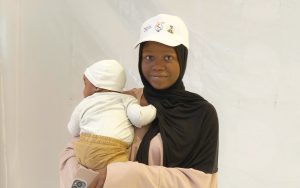
In an interview, a breastfeeding mother, Asmau Saliu, highlighted the health and economic benefits of breastfeeding, encouraging mothers to breastfeed for the first six months and continue for up to two years where possible.
“It helps baby with brain development, and makes them to look healthy and fresh.”
She added that breastfeeding is cost effective because mothers do not need to buy milk during the first six months after birth.
Saliu encouraged expectant mothers to embrace breastfeeding, stating that it is important to the mother and also to the family of the newborn.
“If you are an expectant mother, I expect that you should breastfeed your child for the first six months. And if you can do it for two years, I would really encourage that all mothers do so for two years,” she said.