Bukola Afeni
The Director-General of the National Information Technology Development Agency, NITDA, Kashifu Inuwa Abdullahi, CCIE, has called on world leaders, tech giants, and development champions to build an Artificial Intelligence future that truly represents and empowers every citizen.
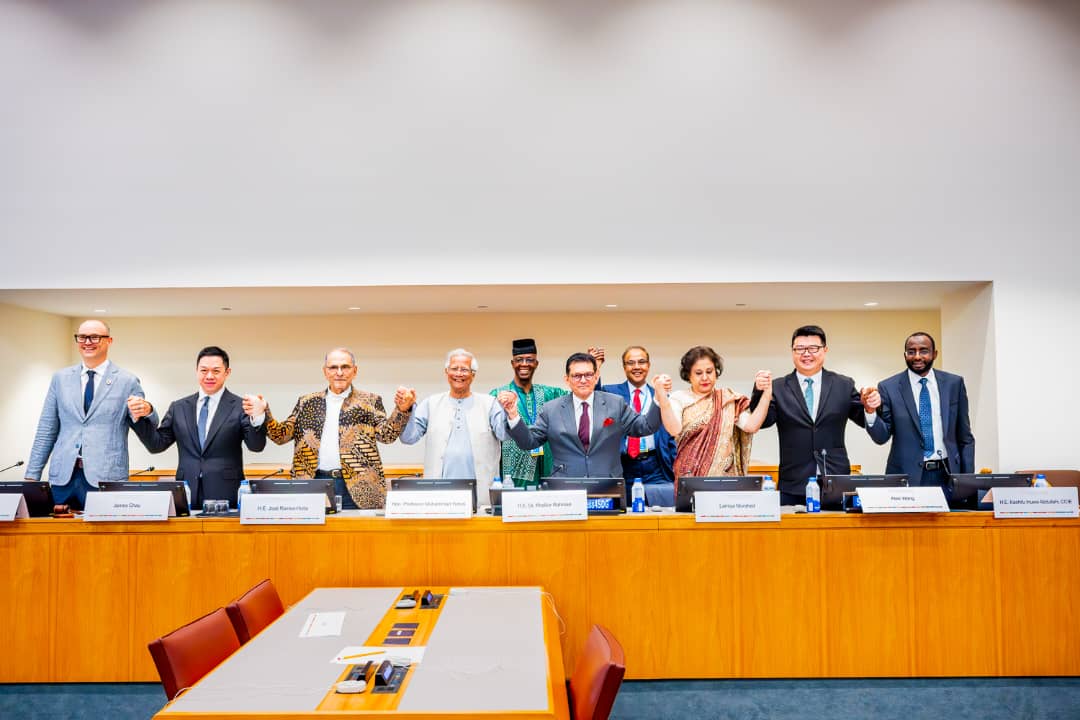
Abdullahi made the call while joining global leaders at a high-level dialogue on leveraging technology, innovation, and social business to drive sustainable and inclusive development.
The prestigious opening session featured world-renowned leaders including H.E. Dr. Khalilur Rahman, President of the 81st Session of the United Nations General Assembly; H.E. José Ramos-Horta, President of Timor-Leste and 1996 Nobel Peace Laureate; H.E. Dasho Tshering Tobgay, Prime Minister of Bhutan; H.E. Wellington Dias, Brazil’s State Minister of Development and Social Assistance; and H.E. Bilal Bin Saqib, MBE, Pakistan’s Minister of State and Chairman of the Virtual Assets Regulatory Authority.
The event also featured Prof. Muhammad Yunus, 2006 Nobel Peace Laureate and Founder of Grameen Bank, and was welcomed by Ms. Lamiya Morshed, Executive Director of the Yunus Centre. It was co-moderated by Mr. Dominique V. Dauster, Managing Director of Yunus+You Foundation, and Mr. James Chau, President of the China-US Exchange Foundation and WHO Goodwill Ambassador.
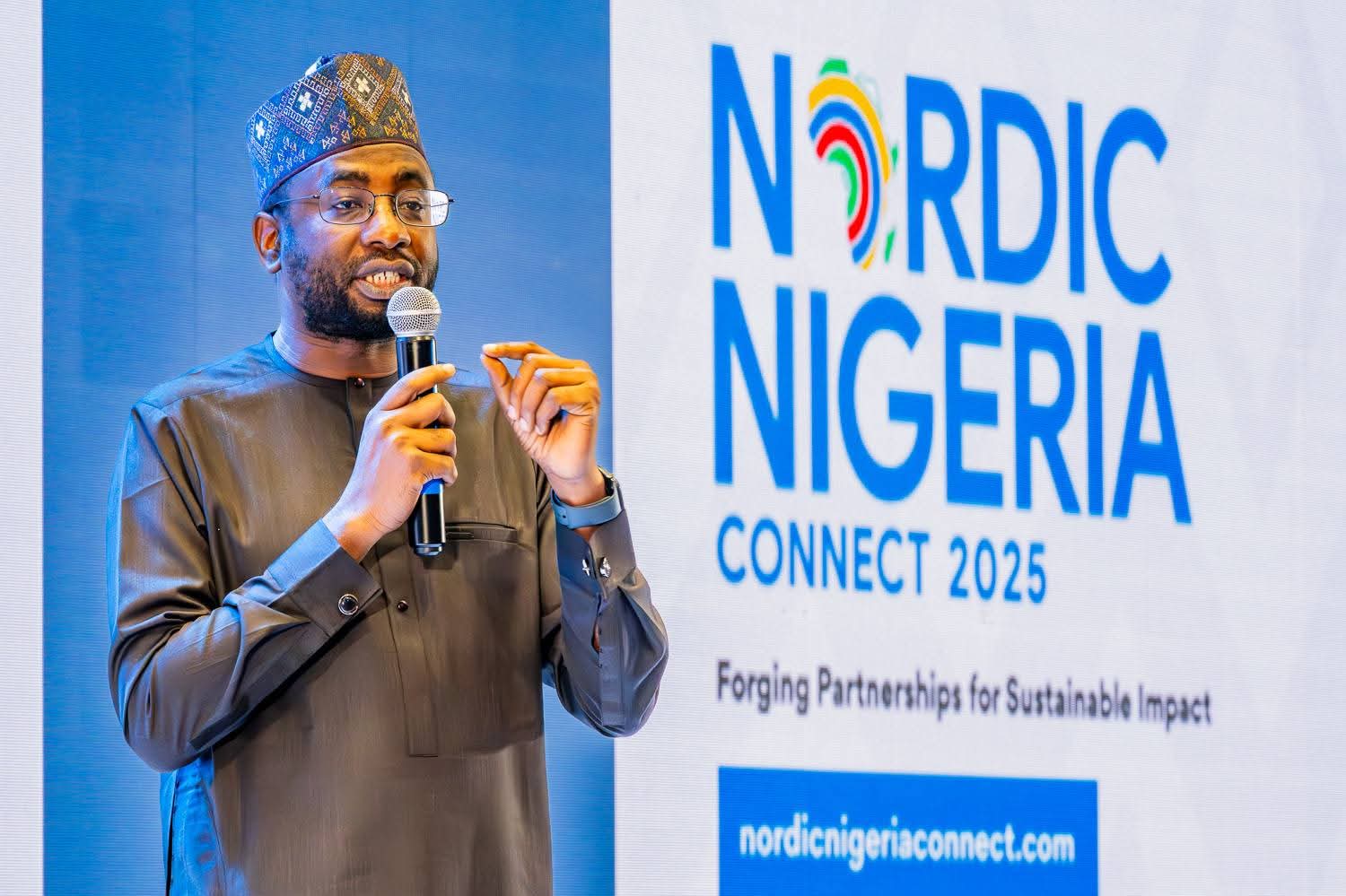
In his keynote address, the NITDA DG challenged stakeholders to look beyond mere access to AI and focus on building a future anchored on *Representation, Access and Agency.*
According to him, inclusive AI must reflect the data, languages, cultures, and values of the people it serves, while empowering citizens not just to consume AI, but to understand, build, and create value from it.
“Inclusive AI requires representation and access , and access must mean agency, not just consumption,” he stressed.
Painting a picture of its impact, Abdullahi said a Nigerian farmer with limited access to agronomists could soon have an AI-enabled agronomist in his pocket to guide him on weather, soil health, crop challenges, and market linkages.
“The promise of AI is not that every Nigerian becomes an AI expert. It is that AI can put expertise within the reach of every Nigerian,” he noted.
He highlighted Nigeria’s four-pillar approach to inclusive AI , which are CONNECT, SKILL, COMPUTE and CREATE.
He cited initiatives such as Project BRIDGE for connectivity expansion, DL4ALL, 3MTT and TVET for digital skills, sovereign cloud and AI infrastructure, and an enabling environment for entrepreneurs.

On digital sovereignty, Abdullahi clarified that Nigeria is not seeking isolation but ensuring that AI systems understand Nigerian context, operate within national laws, and reflect local values while remaining open to global partnerships.
He urged shared responsibility, calling on government to provide infrastructure and regulatory clarity, global tech companies to build with Africa by investing in compute, talent, and local datasets, and young Nigerians to see AI as a tool to enhance productivity.
He concluded by urging all stakeholders to ask, “Who is represented in the intelligence we are creating? And who has the agency to shape it”.
“The defining achievement of the AI age should not be that we created machines capable of extraordinary intelligence. It should be that we used that intelligence to unlock extraordinary human possibility; for everyone,” he said.