Bukola Afeni
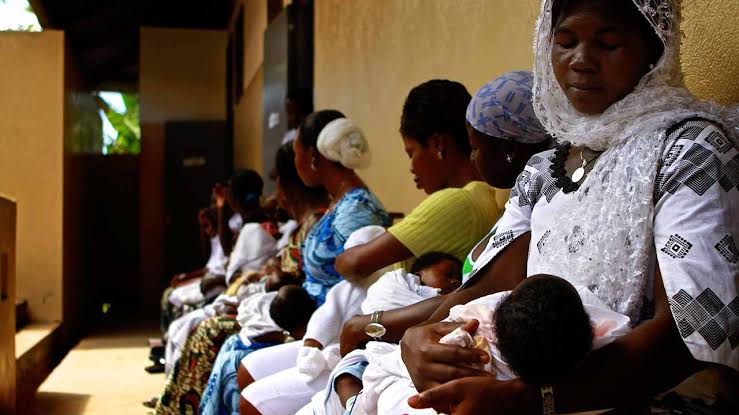
In a major push to tackle Nigeria’s maternal mortality crisis, the MTN Group Foundation and the Gates Foundation have launched a $25 million AI-enabled initiative aimed at improving maternal health outcomes for women across the country.
The new programme, tagged the Nigeria Maternal Health Multiplier, was unveiled on September 22 at Semafor’s Next 3 Billion event on the sidelines of the 81st United Nations General Assembly in New York. 7c93
The four-year partnership, which will run from 2026 to 2030, is structured around direct and in-kind contributions from both foundations. According to the partners, the anchor investment is designed to catalyse additional funding and enable future expansion to other African markets. 7c93
The initiative comes at a critical time. Nigeria currently accounts for nearly 30 per cent of all maternal deaths globally, with only 59 per cent of women completing four or more antenatal care visits. Experts say many of these deaths are preventable, but warning signs often go undetected due to limited access to information and timely care. 7c93
The Maternal Health Multiplier seeks to close that gap through an integrated digital ecosystem that connects women, frontline health workers and primary health care facilities.
According to the statement, the platform rests on three core pillars: AI-enabled, phone-based decision support tools for both mothers and health workers, provision of affordable smartphones and mobile data, and improved connectivity at health care facilities.
Beyond technology, the human impact is at the centre of the programme. By 2030, the initiative targets reaching 500,000 women with trusted health guidance, equipping 5,000 frontline health workers with tools to detect complications early, and supporting 500 health facilities to deliver more consistent, higher-quality maternal care, particularly in underserved communities.
Speaking on the partnership, MTN Group President and CEO, Ralph Mupita, noted that technology is creating unprecedented opportunities to make health care more personalised, predictive and accessible, with Nigeria serving as the starting point for a scalable model across Africa.
Nigeria’s Minister of Communications, Innovation and Digital Economy, Dr. Bosun Tijani, described the collaboration as a reflection of the kind of partnership needed to translate digital transformation into real service delivery for the people who need it most.
The initiative will complement the Federal Government’s ongoing reforms, particularly the Maternal and Neonatal Mortality Reduction Innovation Initiative (MAMII) being implemented by the Federal Ministry of Health under its Sector-Wide Approach.
Health stakeholders says it successfully implemented, the Maternal Health Multiplier could mark a shift from broad public health campaigns to personalised, always-available support for pregnant women, ensuring that no mother is left behind because of where she lives.