Bukola Afeni
The World Health Organization, has called for collaboration from member states so as to forge a path towards a healthier continent where all children and adults are assured of receiving life-saving vaccines.
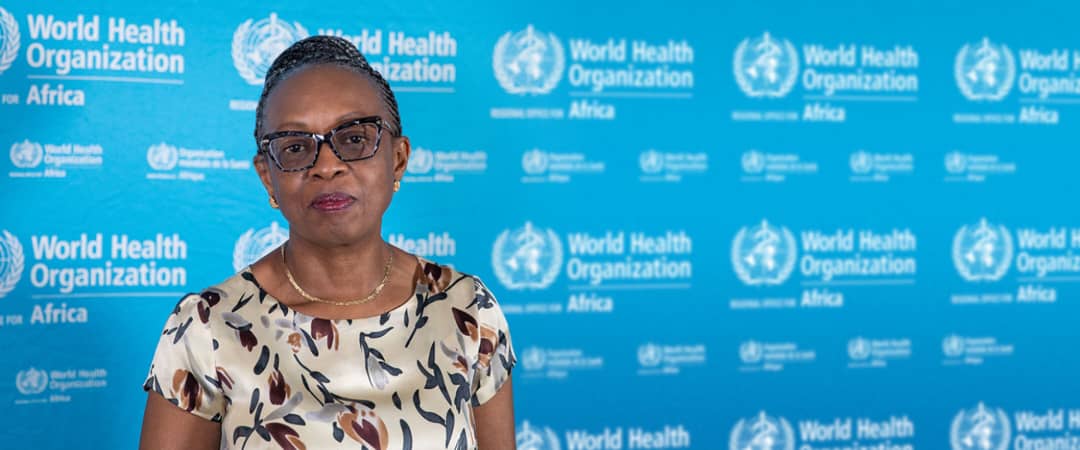
The WHO Regional Director for Africa, Dr Matshidiso Moeti made the disclosure in her message in commemoration of African Vaccination Week and the 50th Anniversary of the Expanded Programme on Immunization (EPI).
“We have been able to reduce annual measles deaths by 76%, Between 2000 and 2022. with an estimated 19.5 million averted over the 22 years.”
She said, “With the launch of the Expanded Programme on Immunization, in 1974 by WHO, the programme grew and widened, moving from the initially targeted six diseases (diphtheria, measles, polio, tetanus, tuberculosis, and whooping cough) to 14 vaccine-preventable diseases.
“By the mid-eighties, all countries in our region had established national immunization programmes. We played a unique and pivotal role in supporting our Member States and coordinating immunization partners.
“Reflecting on this journey, we cannot help but marvel at the results, including eradicating smallpox in 1979 and wild poliovirus in 2020, as well as the ongoing efforts to control measles outbreaks on our continent.
“Between 2000 and 2022, we reduced annual measles deaths by 76%, with an estimated 19.5 million averted over the 22 years we’ve embarked on measles control efforts.
“Additionally, the region has seen a dramatic decline in deaths caused by meningitis by up to 39% from 2000 to 2019. This is a significant achievement in public health owing, in part, to the introduction and rollout of the meningitis A vaccine in 2010. No cases of meningitis caused by the type A strain has been found since 2017.
“Progress towards eliminating maternal and neonatal tetanus in our region has also been commendable. As of March 2024, 43 out of 47 high-burden African countries has been validated for elimination, representing 91% of our Member States in the African Region”, she noted.
Moeti said the organization is also facing challenges like insufficient healthcare infrastructure, shortage of skilled healthcare workers, limited resources for vaccine procurement, vaccine hesitancy, and misinformation, which is further exacerbated by the COVID-19 pandemic.
“Furthermore, some of our Member States continue to face conflict, instability, humanitarian crises, and other concurrent emergencies due to the impacts of climate change that exacerbate the vulnerabilities of weak health systems.” She said .
Every last week of April, Africa Vaccination Week and World Vaccination Week is marked to increase awareness of the importance of every person’s need and right to be protected from vaccine-preventable diseases. This year, 2024, the week embraces another milestone: the 50th anniversary of immunization