Bukola Afeni
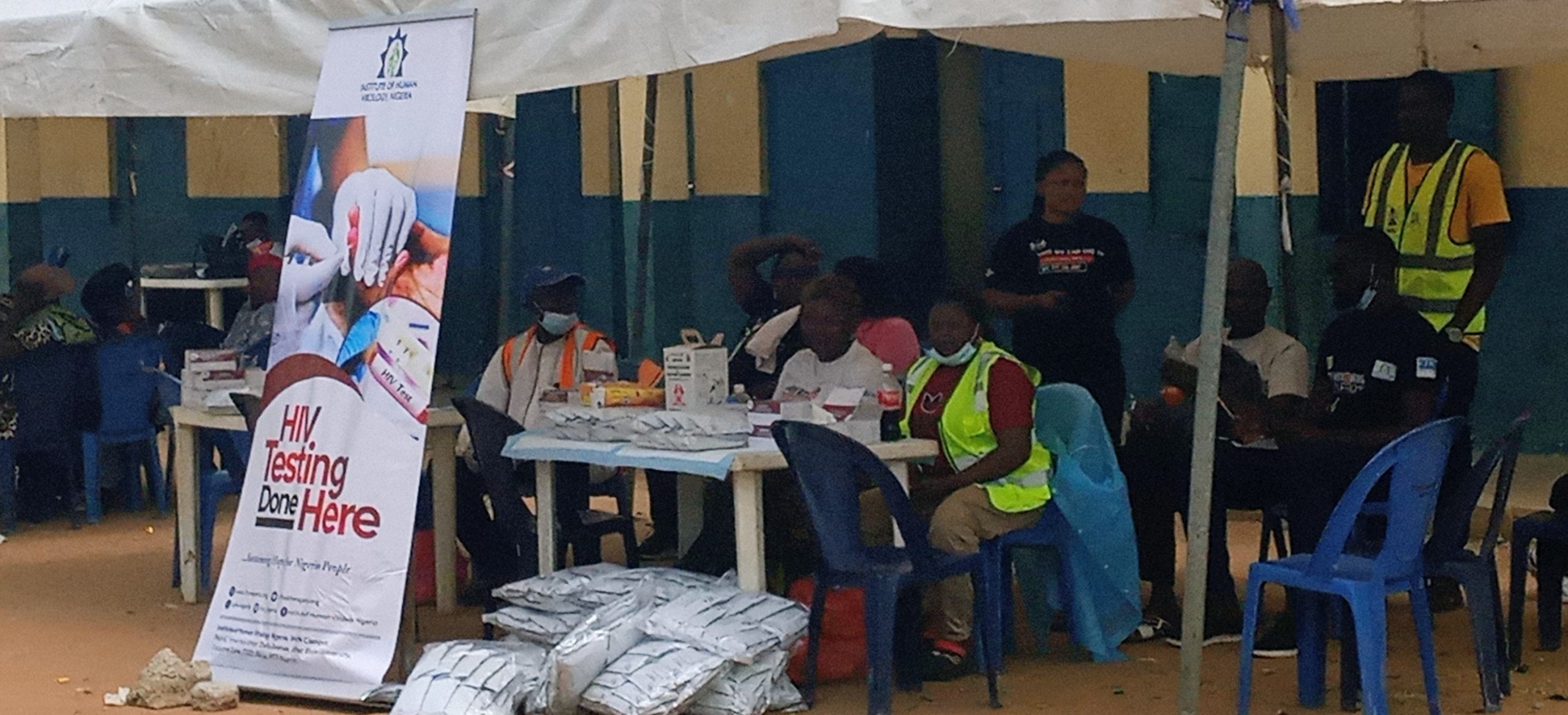
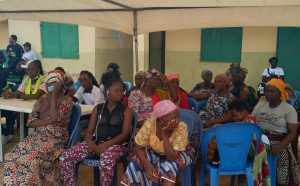
Under the relentless Abuja sun, hundreds of Mabushi residents sat in hope on Saturday, palms outstretched not for handouts, but for the free testing for HIV, Malaria, TB and other routine test
They came in defiance against a disease that is cloaked with stigma and neglect. Mama Raliat, a mother of four, came out despite her daily routine of selling small wares at the community.
She noted that the community outreach was a plus to her and other residents of the communities who came out to the venue of the program.
The community outreach was part of the activities to mark the World TB Day 2026.
The theme of this year’s celebration is “Yes We Can End TB: Led by the Federal Ministry of Health and Powered by the Community”.
Stakeholders from the Federal Ministry of Health, the National TB and Leprosy Control Program, Development partners, and the Federal Capital Territory authority all came out to engage in the community outreach program.
The free screening and testing offered during the outreach emphasized the global health practices of free services for any TB patients.
Tuberculosis is not merely a disease of the lungs, it is a disease of missed diagnoses, missed access to care, and missed chances for integration. However, the country is beginning to reverse the trend.
The community remains the true engine of Nigeria’s TB response, and without them, the disease cannot effectively be detected, treated, or eliminated.
Mama Raliat is grateful that the outreach will enable her and other households to recognize TB symptoms and also enable them to access testing and treatment.
Community engagement and awareness is one of the most effective ways of finding and treating missing TB cases in Nigeria.
Mabushi Community Leader Danjumah Tellah ,appreciated the coordinator for bringing the TB outreach to the community.
“Mabushi community is quite privileged to be a beneficiary. This is the 4th time of having such a community outreach program in this community.”
He further called on the stakeholders to support with the provision of primary health care centers where the residents can access TB treatment and care on a regular basis.
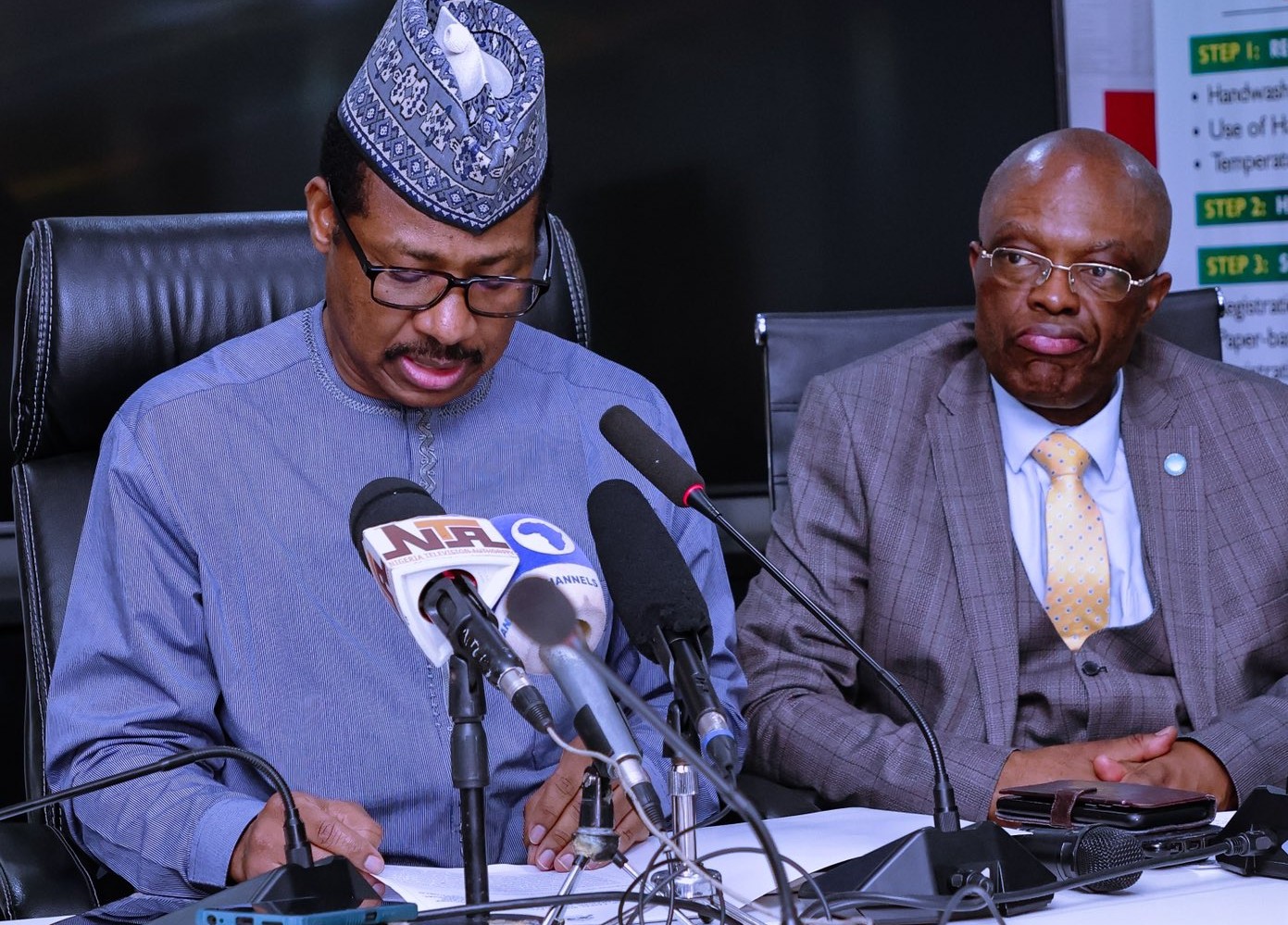
Speaking at the event, the Director of Public Health FCTA, Dr. Dan Gadzama, also called for stronger community participation and increased domestic investment in the fight against tuberculosis (TB), as Nigeria records major progress in treatment outcome.
He described the event as an opportunity not just to mark the global health day, but to renew commitment in tackling one of the world’s oldest infectious diseases.
“Today we gather not just to commemorate a day but to reaffirm our collective commitment to ending one of the world’s oldest infectious diseases, tuberculosis”.
According to him, the disease remains a public health concern despite being preventable and curable.
Highlighting global figures, he said over 10.7 million people are affected by TB, with more than 1.2 million deaths recorded, including about 150,000 among people living with HIV.
He added that improved case detection and stronger programme implementation are contributing to recent gains.
“Treatment success rates have reached an impressive 94 percent, demonstrating that TB, if early detected, can be treated and cured,” he said.
The expert also disclosed that TB mortality dropped by 63 percent between 2016 and 2024.
At the FCT level, he said the TB programme recorded its highest achievement in 2025, with over 40,000 presumptive cases detected and screened, while 3,679 cases were notified.
“The numbers are not just statistics, but they reflect identified, treated, and saved lives,” he said.
Speaking on the theme of the 2026 commemoration, “Yes, We Can End TB: Led by Countries, Powered by Communities,” Gadzama stressed the importance of grassroots involvement in tackling the disease.
He noted that the Mabushi outreach reflects a deliberate focus on high-burden communities, where both awareness and services are taken directly to residents.
“Communities play a critical role in early detection of TB, in reducing stigma, supporting treatment adherence, and promoting healthy behaviour,” he said.
Gadzama warned that declining global donor funding makes it necessary for Nigeria to take greater ownership of its TB response through increased budgetary prioritisation and sustainable health investments.
“There is an urgent need for countries like Nigeria to take ownership of our response. For us to end TB, it must be driven by national leadership and community participation.”
He further emphasized the need for integrated healthcare delivery, noting the link between TB and other conditions such as HIV, malnutrition and poverty.
“This outreach adopts an integrated approach, combining TB screening, HIV testing, malaria services, and health education,” he said.
He commended the FCT TB and Leprosy Control Programme and its partners for organising the event, as well as the Acting Secretary of the FCT Health Services and Environment Secretariat, Dr. Adedolapo Fasawe, for her support to public health initiatives.
The World Health Organization (WHO) FCT State Coordinator, Dr Jibrin Alkasim who was represented by Dr Jenny Momoh, reaffirmed its commitment to supporting countries in the global fight against tuberculosis (TB), urging collective action to eliminate the disease.
The health body noted that this year’s theme, “Yes! We Can End TB”, underscores that ending the disease is achievable through unified efforts by governments, communities, and partners.
“Ending TB is not only possible, but within reach when countries, communities, and partners unite with purpose and determination.
She commended health workers, programme teams, laboratory scientists, community volunteers, policymakers, and partners for their continued efforts in TB prevention, diagnosis, and treatment.
The global health body noted that despite ongoing challenges, significant progress has been made in recent years, including advances in diagnostics, treatment options, digital tools, and community-centred care.
However, she warned that millions of people still face barriers to timely diagnosis and access to quality treatment, stressing the need for sustained global action.
“Ending TB requires sustained investment, innovation, and a strong multisectoral response that leaves no one behind”.
The organisation reiterated its commitment to supporting countries in strengthening health systems, expanding access to services, and accelerating the implementation of evidence-based interventions.
“Together, we can close the gaps, protect vulnerable populations, and ensure that every person affected by TB receives the care and dignity they deserve”.
The health body also called for renewed commitment to achieving a TB-free world.
One of the beneficiary of the community outreach, Nuhu Yusuf commended the organisers for bringing such laudable program to Mabushi.
” I have been looking forward for an opportunity to engage in routine test but don’t have the financial commitment. Am grateful for all the support from our health experts”.