Bukola Afeni
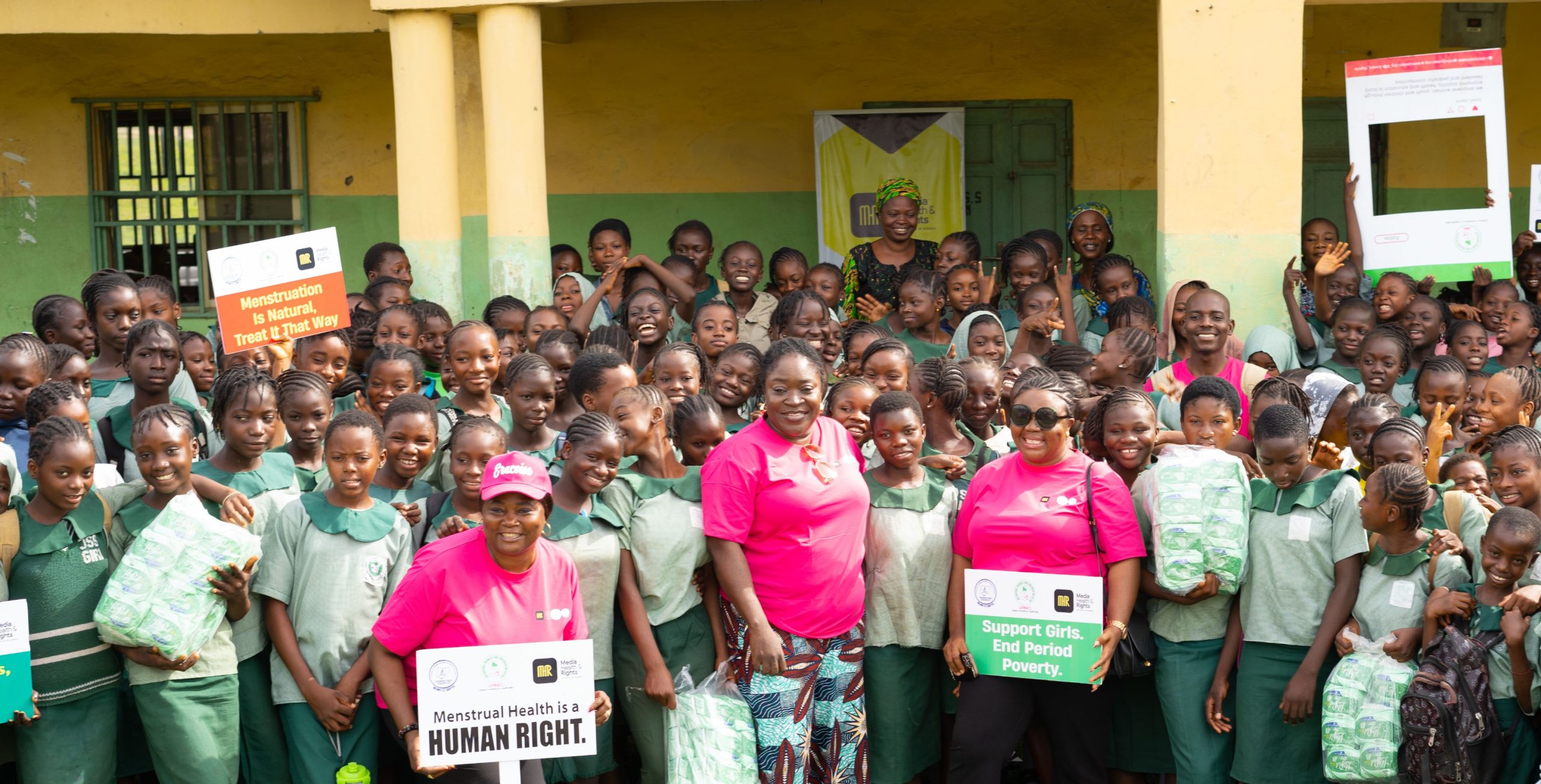
In a renewed push to end period poverty and break the silence around menstruation, three organisations have launched Sustainable Pad Banks in two public schools in the Federal Capital Territory.
The Coalition of Media Health and Rights Initiative of Nigeria (MHR), the League of Nigerian Women Voters, FCT Chapter (NILOWV FCT), and Julebrama Women and Children Initiative (JUWACI) unveiled the initiative at Government Secondary School Giri and Government Secondary School Piwoyi.
The coalition reiterated its commitment to standing against menstrual stigma in schools and creating safer, more inclusive learning environments for adolescent girls.
The Executive Director of MHR, Alu Azege, described period poverty as a major but often ignored challenge affecting the education, dignity, and wellbeing of many girls across Nigeria. She explained that many girls are forced to resort to unsafe alternatives such as old clothes, tissue paper, and newspapers during menstruation because sanitary pads remain unaffordable for many families.
“A girl should not have to choose between buying sanitary pads or buying food. She should not have to beg or stay home because of her period.”
According to her, the Pad Bank is a simple but important tool to remove one of the obstacles standing in the way of girls education and confidence.
The Chairperson of NILOWV FCT Chapter, Sandra Ogbonna, assured students that the coalition remains committed to sustaining the Pad Banks through regular restocking to ensure continuous access to sanitary products.
She urged the girls not to be afraid during their menstrual period.
” Menstruation is natural, and you deserve to feel safe and confident in school every day.
She noted that menstruation should not be treated as something shameful, urging students to reject stigma and embrace healthy conversations around menstrual health and hygiene.
The Director of Operations of JUWACI, Margaret Adatso, representing the Executive Director, Chief Jennifer Alih, encouraged students not to fear or hide their menstruation.
She emphasized that periods are normal part of life and should never stop girls from pursuing their education.
The Principals of the benefiting schools commended the initiative, describing it as timely and impactful.
The Principal of GSS Giri, Gwagwalada Area Council, Ayedara Francis noted that the Pad Bank initiative aligns with existing educational and health objectives within the school system .
“It would contribute positively to students’ confidence, attendance, and overall wellbeing.
” It will empower girls and make them feel safe within school environments and create ripple effects that positively impact families, communities, and society at large.
The Sustainable Pad Bank Initiative reflects the commitment of the three organizations to advancing menstrual health rights, promoting girls’ education, and ensuring that no student is left behind because of a natural biological process.