Bukola Afeni
The Civil Society-Scaling Up Nutrition in Nigeria (CS-SUNN) has called on state governments across the country to adopt and fully implement the Child Nutrition Fund (CNF) as part of efforts to tackle the growing burden of anaemia and malnutrition among women and children.
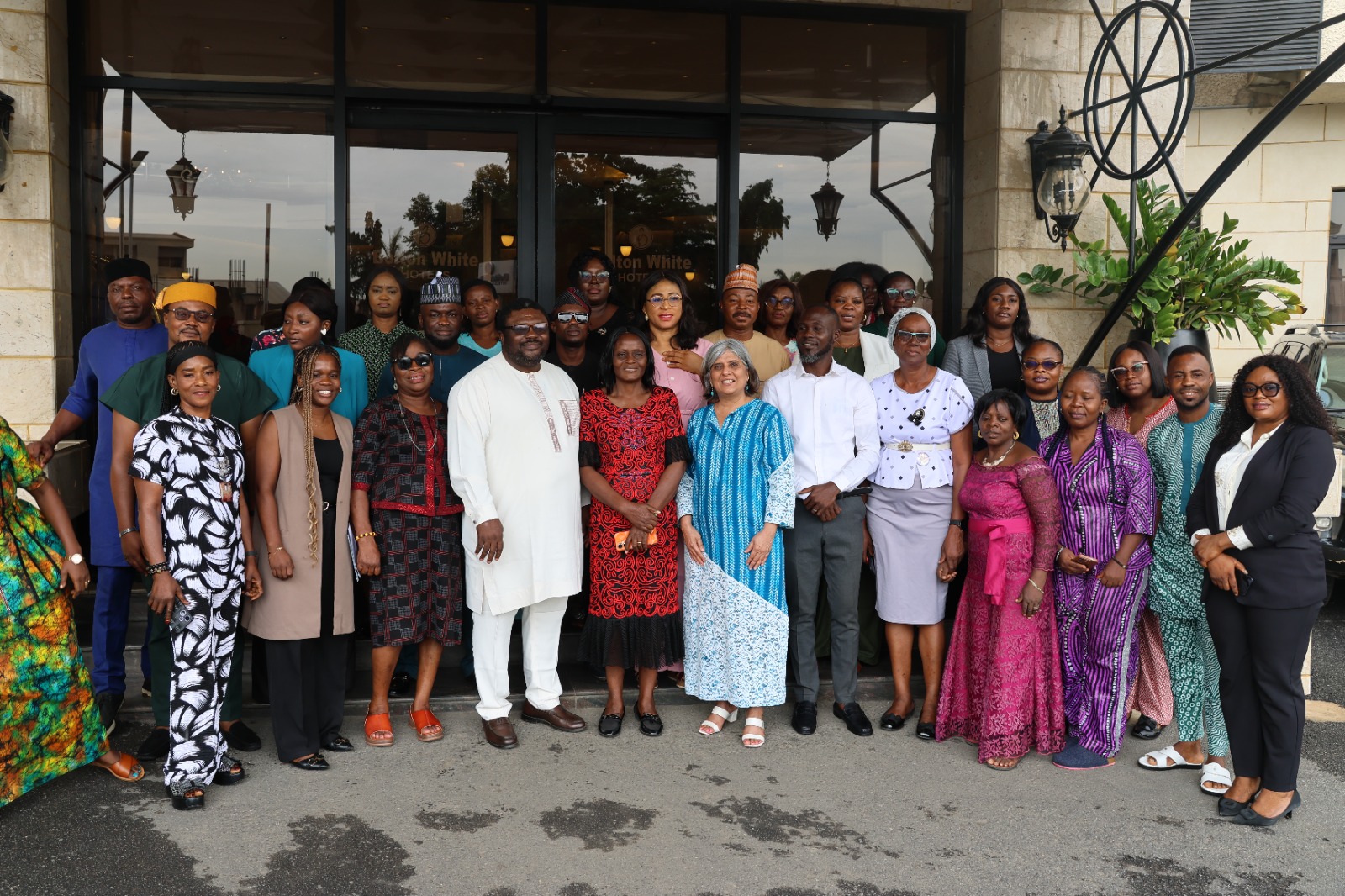
The Executive Secretary of CS-SUNN, Sunday Okoronkwo made the disclosure while briefing Journalists at a Media Roundtable on the Child Nutrition Fund (CNF) in Abuja.
The theme of the media roundtable is ” A Strategic Pathway for Preventing Anaemia and Scaling Access to Life-Saving Nutrition Commodities in Nigeria.”
Okoronkwo cited the 2023 Nigeria Demographic and Health Survey, which showed that 67 per cent of children aged six to 59 months and 57 per cent of women aged 15 to 49 years are anaemic.
CS-SUNN noted that anaemia contributes significantly to maternal mortality, low birth weight, impaired cognitive development in children and reduced economic productivity.
“Nigeria’s maternal mortality ratio remains alarmingly high at 1,047 deaths per 100,000 live births, driven largely by deficiencies in essential micronutrients such as iron, folate, zinc and Vitamin A among pregnant women.”
According to CS-SUNN, the Child Nutrition Fund, a 1:1 co-financing mechanism facilitated by UNICEF and supported by donor partners, offers a strategic solution to addressing malnutrition by enabling federal and state governments to double investments in critical nutrition commodities.
“The Child Nutrition Fund has emerged as a strategic and innovative pathway to address malnutrition”.
In the same vein, CS-SUNN commended the Federal Government for including Multiple Micronutrient Supplements (MMS) in the Essential Medicines List, describing the intervention as a proven and cost-effective means of preventing anaemia, improving fetal growth, reducing low birth weight and enhancing birth outcomes.
He also praised the Federal Government and participating states for committing counterpart funding to the initiative.
” Between 2023 and 2026, 20 states released N7.1 billion while the Federal Government committed N1.2 billion to the fund.”
According to him, the investments have supported the procurement and distribution of life-saving nutrition commodities, expanded treatment coverage for severe acute malnutrition and improved access to MMS in health facilities across participating states.
Despite the progress recorded, CS-SUNN expressed concern that adoption of the fund remains uneven, noting that several states is yet to approve the CNF, while others face delays in releasing and utilizing approved funds.
The nutrition body urged non-participating states to join the initiative and called on those that have approved the fund to ensure timely release and effective utilisation of resources, particularly for scaling up MMS among pregnant women.
He also called for stronger integration of MMS into routine antenatal care services, improved training of healthcare workers, robust logistics and monitoring systems to prevent stockouts, and increased domestic resource mobilisation to maximise the CNF’s 1:1 matching opportunity.
The Chief of Nutrition at UNICEF Nigeria, Neemat Hajeebhoy, described malnutrition as one of the country’s most pressing challenges affecting millions of children and women.
She said Nigeria bears one of the highest burden of malnutrition globally, with more than 12 million children under the age of five suffering from stunting and over two million children affected by severe acute malnutrition annually.
“We know what works. We have the solution. What we need now is the resources and the political will to deliver at scale”.
According to her, the Federal Government has already committed $2 million to the fund, while UNICEF is encouraging state governments to take advantage of the matching opportunity to expand nutrition services and interventions.
“The reality is that no donor can fund this alone. It has to be Nigeria investing in Nigerian children”.
She noted that the fund represent a model that places governments at the centre of nutrition financing while strengthening national ownership and sustainability of interventions.
“Nutrition is not just about filling the stomach. It is truly about human capital development”.
Neemat also called on the media to play a leading role in promoting accountability and keeping nutrition on the national agenda.
The Managing Director of Nigerian Health Watch, Vivianne Ihekweazu, also called for stronger political commitment, increased domestic resource mobilisation and greater accountability to address malnutrition and improve nutrition outcomes across Nigeria.
Ihekweazu was represented by Favour Ani, the Program Assistant.
According to Nigerian Health Watch, Nigeria’s persistent malnutrition burden demand coordinated action among government, development partners, civil society organisations and the media to ensure nutrition remains a national development priority.
The organisation described the Child Nutrition Fund as a significant opportunity to expand access to essential nutrition services while strengthening government ownership and ensuring the long-term sustainability of nutrition programmes.
“As development financing landscapes continue to evolve, conversation such as this are critical in ensuring that nutrition financing is not only increased but also strategically deployed to reach the women and children who need it most”.
The health body also commended CS-SUNN for its leadership in advancing nutrition advocacy and promoting multi-sectoral collaboration among stakeholders.


