Yemi Obafemi
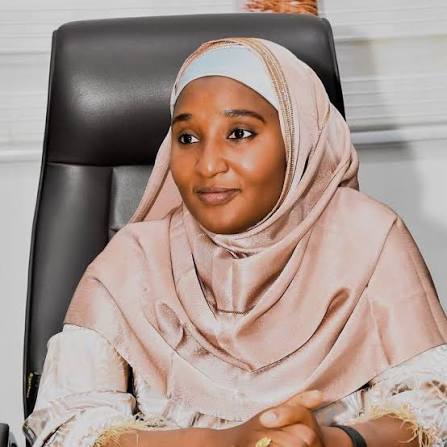
The Minister of State for Education, Suwaiba Ahmad, has defended the Federal Government’s decision to discontinue the use of mother tongue as a mode of teaching and learning in Nigerian schools, stating that the move is aimed at ensuring that children develop strong proficiency in the country’s official language English.
Ahmad spoke during an interview on Channels Television’s The Morning Brief, where she explained that pupils often struggle with transitioning from mother-tongue instruction to English, especially when preparing for national examinations and future employment.
“Nigeria has one official language, and our official language is English. By the time a child is done with the mother tongue, the transition did not happen.
” They are still going to take national examinations in English, and sometimes compete for jobs with others who have been taught in English,” she said.
Addressing criticisms against the policy reversal, Ahmad said: “When people are criticising us for making this policy, I am surprised. Have you been to the field? Have you gone to these classes? Have you really examined what is happening? We are not saying mother tongue is ineffective, but our context will not allow its full implementation,” she added.
Ahmad revealed that the Ministry will focus on training teachers to strengthen literacy and numeracy skills among learners, ensuring they can read and understand appropriate texts.
She also noted that the existing curriculum is overloaded with too many subjects and content areas, making it difficult for learners to develop essential skills.
“We will reduce the subject overload to the most appropriate ones,” she said.