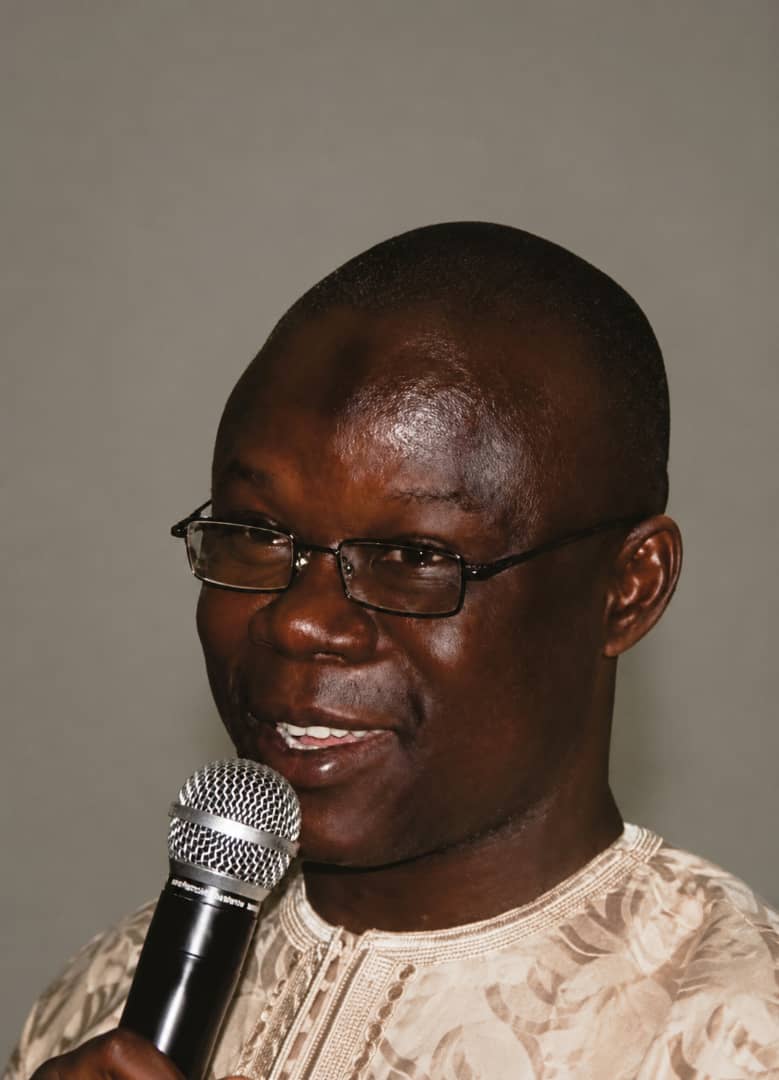
By Ademola Lawrence, a journalist from Lagos
What could wound a nation more deeply than when its own citizens, crying out for good governance, are met not with compassion but with bullets?
The story traces back to 2013, when five political parties merged to form a force strong enough to unseat the ruling party. In 2015, their gamble paid off. A former military ruler (1983–1985), famed for his War Against Indiscipline and his tough stance on corruption, emerged as their candidate. Nigerians embraced him as a symbol of change, delivering him a decisive victory by over 2 million votes.
On May 29, 2015, his words—“I am for everybody, I am for nobody”—rang out with promise. Many believed he would cleanse the land of corruption and restore hope. His first tenure brought mixed reactions. He battled ill health, national crises, and criticism, yet he survived and was re-elected in 2019.
But this is not about his sickness, nor about the politics of survival. This is about October 2020—the consequence of choices made five years earlier at the ballot box.
The Spark That Lit the Fire
On October 3, 2020, a video emerged: a young man allegedly shot dead by operatives of the Special Anti-Robbery Squad (SARS) in Ughelli, Delta State. The outrage was instant. Online, the hashtag #EndSARS erupted. Youths, influencers, and celebrities amplified it, and the world listened.
By October 8, the streets of Lagos, Abuja, Ibadan, Benin, and beyond were alive with peaceful protesters. They demanded not only the end of SARS but also justice, accountability, and a new social contract.
This was not an ordinary protest. It was decentralized, leaderless, and digitally coordinated—a movement without a single face to silence. For government, that was unsettling. For the youth, it was liberation.
A Nation in Turmoil
As protests spread, so did chaos. In the heat of COVID-19’s economic strain, anger turned into riots in parts of the country. From October 11 to October 27, 2020, official figures recorded:
* 51 civilian deaths and 22 police officers killed.
* 205 critical assets attacked, burned, or vandalized across 13 states and the FCT.
* 71 warehouses and 248 private stores looted.
* 92 deaths documented by WANEP across states, including Lagos, Edo, Delta, Oyo, Rivers, Plateau, and others.
* Lagos alone estimated damages exceeding ₦700 billion, from destroyed buses to looted malls and public offices.
The protests shook the nation, but Lagos became the epicentre.
October 20, 2020 — The Night Nigeria Wept
That evening at Lekki Toll Gate, young Nigerians gathered in peace. They sang the national anthem, waved the green-white-green, and refused to yield to despair.
Then, the unthinkable.
* CCTV cameras were disabled.
* Lights were cut.
* Around 6:45 p.m., soldiers arrived.
According to the Lagos Judicial Panel, what followed was nothing short of a massacre. Unarmed citizens were shot at—defenseless, sitting, waving flags, and singing. Police joined in, firing shots and even tampering with evidence. Ambulances were denied entry. By dawn, waste trucks had scrubbed away the blood.
The panel documented at least 48 casualties: 11 confirmed dead, 37 wounded, some still missing. Hospitals confirmed treating dozens of gunshot victims. Amnesty International confirmed at least 12 deaths that night.
The Panel’s recommendations were clear:
* Prosecute soldiers and police responsible.
* Rename the plaza the #EndSARS Tollgate
*
Declare October 20, a national day of remembrance.
Offer trauma healing, memorials, and reforms in policing.
Who Gave the Order?
Five years before that night, Nigerians had spoken with their ballots. They placed their trust in a leader they believed would fight corruption and deliver justice. But the same mandate became the authority under which troops opened fire on their own people.
So I ask:
Who truly gave the order?
It wasn’t only the voice on a military radio. It was also the millions of votes in 2015, the mandate handed over in faith. That choice reverberated five years later at the Lekki Toll Gate.
This article is not meant to reopen wounds. It is a reminder that our votes are not just statistics. They are instruments of life and death, of hope or despair. When we elect a leader, we hand them the power to make decisions that can either nurture or destroy us.
On October 20, 2020, Nigeria learned that lesson in blood.
Ademola Lawrence, a journalist from Lagos