Bukola Afeni
In today’s digital age, the ability to effectively use digital technologies has become an essential skill for individuals, businesses, and governments. Digital literacy, which refers to the ability to use digital technologies to access, evaluate, and create information, is critical for Nigeria’s economic growth and development.
Nigeria, with a population of over 200 million people, has a significant potential for digital growth. However, the country still faces significant challenges in terms of digital literacy.
According to a report by the International Telecommunication Union (ITU), Nigeria’s digital literacy rate is approximately 55%, which is below the global average.
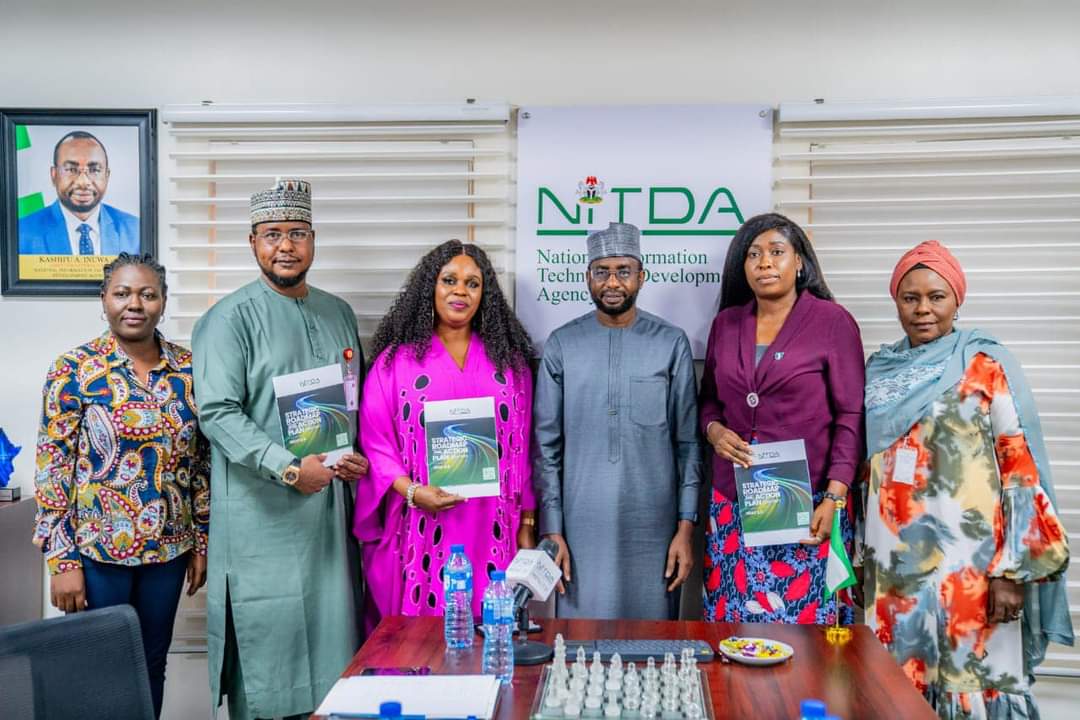
To address this challenge, the National Information Technology Development Agency (NITDA) has been at the forefront of promoting digital literacy in Nigeria. Established in 2007, NITDA is responsible for developing and implementing Nigeria’s IT policy.
NITDA’s efforts in promoting digital literacy have been multifaceted. The agency has established several initiatives aimed at increasing digital literacy rates in Nigeria. These initiatives include the development of digital literacy training programs, the establishment of digital literacy centers, and the provision of digital devices to underserved communities.
One of NITDA’s flagship programs is the National Digital Literacy Program, which aims to train one million Nigerians in digital literacy skills by 2025.
The program, which is being implemented in partnership with several stakeholders, including state governments, private sector companies, and civil society organizations, has already trained hundreds of thousands of Nigerians in digital literacy skills.
NITDA has also been working to promote digital innovation in Nigeria. The agency has established several initiatives aimed at supporting startups and innovation hubs in Nigeria. These initiatives include the establishment of the National Startup Policy, which provides a framework for supporting startups in Nigeria, and the creation of the NITDA Innovation Hub, which provides funding, mentorship, and other forms of support to startups and innovation hubs in Nigeria.
In addition, NITDA has been working to promote digital inclusion in Nigeria. The agency has established several initiatives aimed at increasing access to digital technologies in underserved communities. These initiatives include the establishment of the National Digital Inclusion Program, which aims to increase access to digital technologies in underserved communities, and the creation of the NITDA Digital Inclusion Fund, which provides funding to organizations working to increase access to digital technologies in underserved communities.
Digital literacy is critical for Nigeria’s economic growth and development. NITDA’s efforts in promoting digital literacy and digital innovation in Nigeria have been commendable. However, more needs to be done to increase digital literacy rates in Nigeria and to promote digital innovation and inclusion.
Digital literacy is a crucial skillset for the 21st century, and Nigeria is taking steps to ensure its education system is equipped to meet the demands of this digital age.
The Director General of the National Information Technology Development Agency (NITDA), Kashifu Inuwa, has emphasized the need for a comprehensive review of the existing curriculum plan to incorporate digital skills at all educational levels.
Incorporating digital literacy into Nigeria’s education curriculum is essential for the country’s economic growth and development. Digital literacy encompasses a range of skills, including information and data literacy, problem-solving, digital content creation, communication and collaboration, devices and software operation, and safety. By integrating these skills into the curriculum, Nigeria can ensure that its citizens are equipped to compete effectively in the global digital economy.
In a bid to ensure Nigeria’s education system is equipped to meet the demands of the 21st century, the Director General of the National Information Technology Development Agency (NITDA), Kashifu Inuwa said there is a need for comprehensive review of the existing curriculum plan.
According to Inuwa, “We must lead in developing a competency-based, outcome-focused curriculum that addresses the demands of the 21st century.”
He emphasized that integrating digital skills into the curriculum is crucial for national development and economic growth.
This call is in line with President Bola Ahmed Tinubu’s Renewed Hope Agenda, which aims to create millions of jobs by leveraging digital technologies and achieving a digital literacy rate of 70% by 2027.
Inuwa stressed that digital technology has an important role to play in the design of the curriculum, content, and processes. “We cannot afford to be left behind in this digital age,” he said.
In today’s digital age, digital literacy is no longer a luxury, but a necessity. It is essential for individuals, businesses, and governments to have the skills to effectively use digital technologies to access, evaluate, and create information.
Digital literacy can help individuals acquire the skills needed to access better-paying jobs, leading to improved economic growth.
It also aid individuals compete effectively in the global market.
By incorporating digital skills into the curriculum, Nigeria can ensure that its citizens are equipped with the skills needed to compete effectively in the digital age.