Bukola Afeni
Stakeholders in the health sector in the Federal Capital Territory has called for multi-sectoral collaboration for the road map and roll out of multiple micronutrient supplement (MMS) uptake and scale up in the FCT.
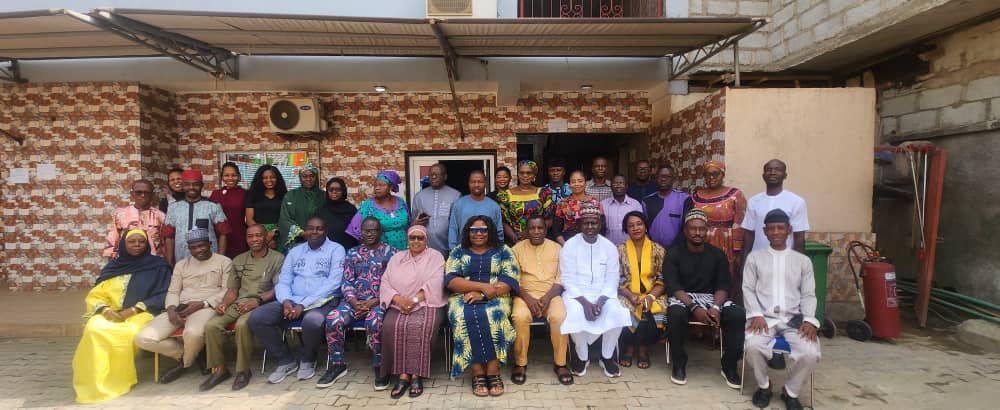
They made the disclosure at a workshop for the implementation plan and costing of the roadmap for the roll out and scale up of multiple micronutrient supplement in the FCT held at Nasarawa state.
Speaking at the event, The FCT State Nutrition Officer, Chinyere Ekwueme said it is important for the FCT to develop a state specific Implementation Plan and the costing of the Road Map to ensure sustainable supply of quality MMS products in the FCT.
According to her, the roadmap should be comprehensive, evidence-based and must align with national priorities for Maternal and Child Health.
“The planning meeting is a road map for FCT step down training. We want all the stakeholders to contribute meaningfully to the success of the program”
She highlighted the need for stakeholders to have a shared understanding of MMS and state strategic direction.
The Deputy Director Nutrition Ngozi Nnenna Ezeh, said micronutrient supplementation is a vital component of effort to improve health outcomes at the FCT.
“Maternal and child health is a critical component for us. The Multiple Micronutrient Supplementation (MMS) program is a game-changer, providing essential micronutrients to pregnant women and supporting fetal growth and development.
She highlighted that MMS is a comprehensive solution to addressing deficiencies and reduce mortality rates, which contains 15 micronutrients.
“As we work to scale up MMS, we must focus on raising awareness and promoting implementation. The supplement is widely available in government-owned health facilities”, she said.
The Assistant State Nutrition Officer also encouraged pregnant women to take advantage of the MMS.
“With proper guidance, MMS can be a safe and effective way to support maternal and neonatal health”, she noted.
“We also need to define Clear strategic priorities and also identify target area, and also develop a draft costed implementation plan.
“The outcomes will ensure a unified approach to MMS implementation, with clear goals, activities, and responsibilities outlined”, she said.
The Facilitator, Professor Kola Anigo, said the costing tool for MMS is designed to estimate cost for program aimed at pregnant women in the Federal Capital Territory.
He noted that the workshop involved reviewing and updating the costing tool based on stakeholders input, and the overall approach is discussed and validated.
Professor Anigo charged all stakeholders to work together to ensure that every pregnant woman has access to MMS and can benefit from its life-changing impact.
He emphasized the need for a multi-sectoral approach to address some issues and emphasized the use of costing tool to estimate costs for nutrition-specific interventions.
In the same vein , he noted that the costing tool helps estimate costs for specific activities and categorizes them into standard categories.
“The tool has nine standard cost categories and requires data on the number of pregnant women in FCT for each year.It also calculates the percentage of pregnant women to be reached, the number of MMS required, and the cost of procuring the MMS.
He added that the tool has separate categories for local production and product procurement.
Professor Anigo further said collaboration between government, civil society, and media is essential for progress regarding healthy pregnancies and child development.