Bukola Afeni
The World Health Organization (WHO) has called for increased voluntary, non-remunerated blood donation in Nigeria to address persistent shortages in blood supply and improve access to life-saving transfusion services across the country.
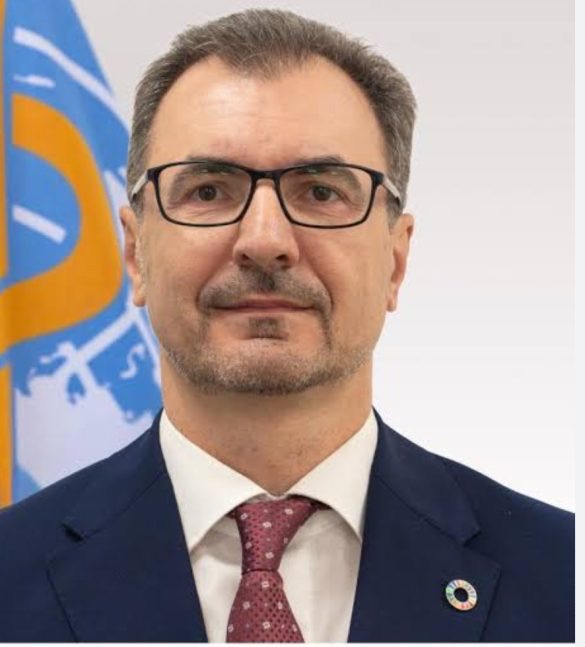
Speaking on behalf of the WHO Representative to Nigeria, Dr Pavel Ursu, during the World Blood Donor Day 2026 press briefing in Abuja, Dr Chavan Laxmikant said blood donation remains “one of the purest expressions of solidarity and humanity,”
He noted that a single donation can save multiple lives and provide hope to families facing medical emergencies.
The WHO representative said thousands of patients across Nigeria require blood transfusions daily, including women experiencing complications during pregnancy and childbirth, children suffering from severe malaria and anaemia, victims of road traffic accidents, individuals undergoing surgery, and patients living with chronic conditions.
“Access to safe blood and blood products is not merely a medical necessity, it is a cornerstone of resilient health systems and an essential component of achieving Universal Health Coverage and health security,” he said.
While commending efforts by the Federal Ministry of Health and Social Welfare, the National Blood Service Agency, healthcare institutions, development partners, and civil society organisations in strengthening Nigeria’s blood transfusion system, he noted that significant challenges remain.
According to him, Nigeria, like many countries in the African Region, continues to face shortages in blood supply, with voluntary non-remunerated blood donation still below the level required to meet national needs.
“WHO recommends that countries collect at least 10 blood donations per 1,000 population to meet basic clinical requirements. Yet many countries in our Region remain below this benchmark, limiting equitable access to life-saving transfusion services,” he said.
He stressed that blood obtained from regular voluntary, unpaid donors remains the safest source of blood and urged sustained investment in public awareness, donor recruitment and retention, quality-assured testing systems, and strengthened blood service infrastructure.
Laxmikant also disclosed that WHO is providing technical assistance for the review of Nigeria’s National Blood Policy to mainstream and integrate emerging trends such as hemovigilance into the policy framework.
“WHO remains committed to supporting Nigeria in strengthening its national blood system through policy guidance, quality assurance, regulatory strengthening, workforce development, and improved access to safe blood services,” he said.
Paying tribute to voluntary blood donors, he described them as “silent heroes whose contributions save lives every day” and called on eligible Nigerians, particularly young people, institutions, faith-based organisations, and communities, to become regular voluntary blood donors.
“Let us work together to dispel myths and misconceptions about blood donation and build a culture where donating blood becomes a civic responsibility and a shared act of humanity,” he said.
He added: “When we give blood, we give far more than a medical resource we give hope, dignity, and a second chance at life. Indeed, one drop of humanity can save a life, strengthen a community, and inspire hope.”


