Esther Salifu
Climate advocates and civil society leaders have renewed calls for urgent global support to help Africa adapt to the devastating impacts of climate change, warning that debt-based financing is worsening the crisis instead of solving it. As floods, droughts, and increasingly unpredictable weather patterns continue to devastate agriculture and infrastructure across the continent, experts warn that Africa requires at least $53 billion annually to effectively respond to these mounting challenges.
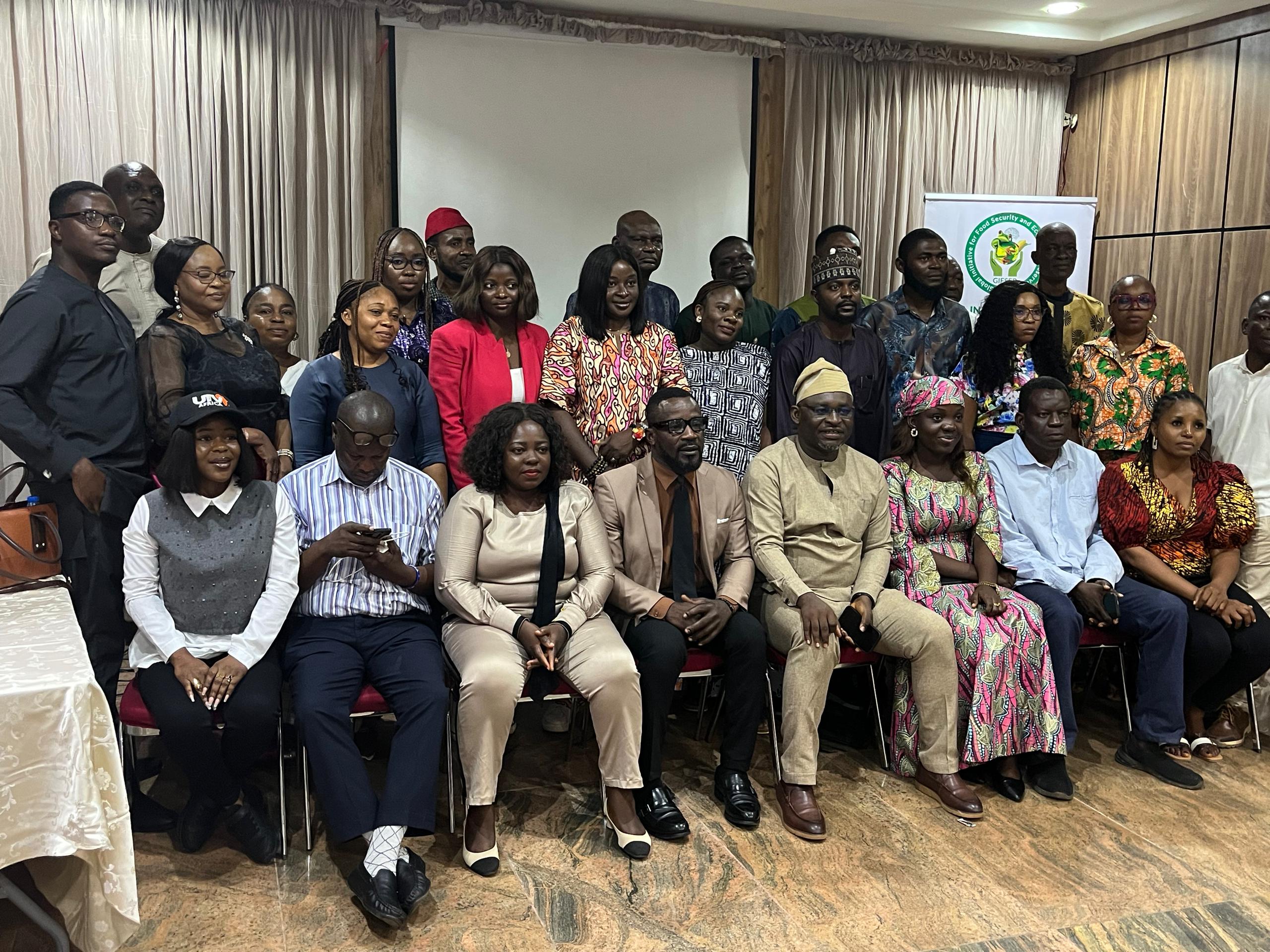
Speaking at a civil society and media workshop on climate adaptation in Abuja, stakeholders emphasized the importance of equipping journalists with the right knowledge and tools to effectively report on climate issues.
The Executive Director of the Global Initiative for Food Security and Ecosystem Preservation (GIFSEP), Dr. Michael Terungwa David, stressed that Africa needs at least $53 billion annually to build resilience against floods, droughts, and other climate disasters.
“What we are actually calling for is that we no longer need loans for climate adaptation. What we need is grants. There should be debt cancellations, because we borrow to build infrastructure that floods destroy again, yet our people continue to pay those debts,” Dr. David said.
He emphasized that Africa has received just about $11 billion since 2021, a figure he described as “so small considering the impact of climate change on the continent.”
He urged that climate finance be shifted from mitigation projects to adaptation efforts that protect lives and livelihoods.
Echoing the concerns, environmental advocate Mark David Terungwa highlighted how climate shocks are driving food insecurity across Africa. “Flawed food strategies and reduced crop yields are already threatening millions of livelihoods. Recurrent floods, shorter dry spells, and unpredictable rainfall are disrupting agriculture, driving food inflation, and putting millions at risk,” Terungwa warned.
He added that loans are a “false solution” because debt-based funding deepens the vulnerability of communities when disasters destroy infrastructure financed with borrowed money.
Alongside calling for financial reforms, stakeholders stressed the need for stronger environmental laws.
Gloria Agema, Program Director at the Gee Foundation for Social Justice and Development, pointed to the Environmental, Social, and Health Impact Assessment (ESHIA) Bill 2025, currently before Nigeria’s National Assembly, as a vital tool for safeguarding communities. She noted that the ESHIA Bill mandates that all major development projects must undergo thorough assessments to evaluate their environmental, health, and social impacts before implementation. This is to prevent harm to ecosystems, biodiversity, public health, and local livelihoods.
“The Bill promotes sustainability and climate change adaptation, protects ecosystems, public health, and socio-economic well-being, ensures Free, Prior, and Informed Consent (FPIC) for communities, preserves cultural heritage, and guarantees legal compliance in all projects,” she explained. She revealed that the highlight of the bill is its commitment to FPIC, ensuring that communities have a legal right to be consulted and must agree before any project affecting them proceeds. It gives voice to indigenous groups and affected citizens.
“The Bill enshrines FPIC, requiring mandatory consultation and involvement of communities and stakeholders in decisions that affect them. This Bill is not just an environmental law; it is a people-centered, rights-based, and development-oriented framework,” Agema explained. The Bill proposes the establishment of a National Environmental, Social, and Health Impact Assessment Agency under the Ministry of Environment to oversee compliance, monitoring, and enforcement. It also prescribes strong penalties for violators, including fines and imprisonment, while aligning Nigeria with international climate and environmental standards.
Civil society organizations are mobilizing to push for the Bill’s speedy passage, stressing its potential to advance environmental justice, protect vulnerable communities from displacement and health risks, and strengthen Nigeria’s climate resilience.
As Dr. David concluded, “We have to adapt to live. For us to do this, we need the right finance, the right laws, and genuine support from the global community – not more loans, but grants and justice.”