Emmanuel Obi
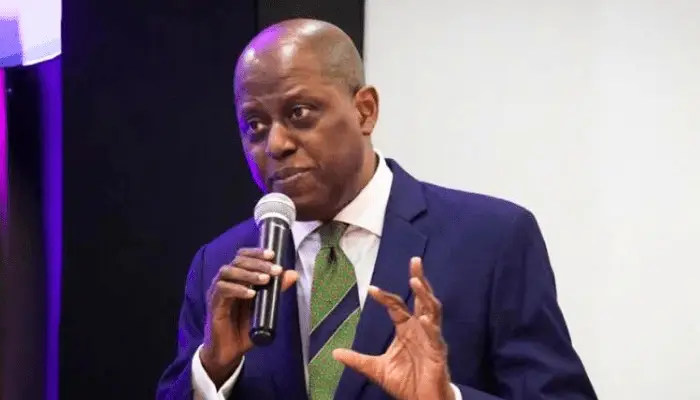
The Governor of the Central Bank of Nigeria (CBN), Mr. Olayemi Cardoso, has called for equity, fairness and proportional representation in the governance structure of the proposed ECOWAS Monetary Union.
Cardoso said while regional solidarity and respect for the sovereign equality of member states must remain fundamental principles of the Union, these should be balanced with the financial commitments, responsibilities and risks borne by individual member states.
The CBN Governor made the call in Abidjan, Côte d’Ivoire, on behalf of Nigeria at the Ministerial Session of the 6th Presidential Task Force Meeting on the ECOWAS Single Currency Programme.
He stressed that Nigeria remains fully committed to the successful establishment of the ECO and to a Monetary Union that is credible, sustainable and beneficial to all member states.
“Nigeria has and will continue to demonstrate solidarity and fairness, respecting the sovereignty of other member states,” Cardoso said.
He however maintained that solidarity must be accompanied by equity, noting that countries with larger economies and greater financial responsibilities should be given fair consideration in the governance of institutions they support.
“While bigger economies continue to take up the burden, they should also be considered to play a significant role because of the risk and systemic importance they have in the sub-region,” he said.
Cardoso argued that the governance structure must reflect the economic importance, financial commitments and risks borne by participating countries, insisting that nations making substantial financial contributions should have corresponding influence over decisions affecting the regional currency.
He warned that where obligations are shared but influence is not, arrangements may be agreed, but their long-term sustainability may be difficult to guarantee.
Describing the meeting as a defining milestone in the monetary integration process, Cardoso said deliberations focused on critical aspects of institutional architecture, including location of institutions, leadership appointments and allocation of authority and responsibilities.
He noted that the decisions taken will shape the future of the Union for decades, determining its credibility with investors and confidence of member states.
The meeting comes as West African countries intensify preparations for the phased introduction of the ECO single currency in 2027. In July 2026, ECOWAS leaders reaffirmed their commitment to introduce the ECO in 2027, agreeing that implementation would begin with countries meeting the required macroeconomic convergence criteria.


