Yemi Obafemi
A chieftain of the New Nigeria Peoples Party (NNPP), Buba Galadima, has criticised the Federal Government’s handling of the agricultural sector, alleging that current import policies and high production costs are crippling local farming.
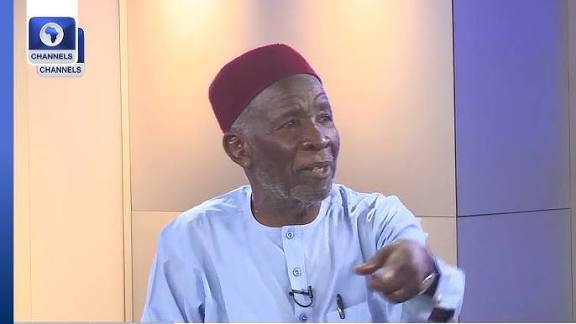
Galadima made the remarks on Thursday while appearing on Politics Today, a political programme on Channels Television.
He alleged that current policies have disenfranchised farmers, whom he described as constituting about 75 per cent of the Nigerian population.
“This government has killed agriculture deliberately, disenfranchising farmers who are 75% of the Nigerian population. You have to buy a bag of fertiliser for 60,000 to 70,000 naira,” he said.
The NNPP stalwart rejected claims by the administration that economic hardship is easing, insisting that rural farming activities are declining.
According to him, the massive importation of grains is discouraging local production. He cited a recent visit to Maiduguri, where he claimed dry-season farming activities were largely absent.
“How can you disenfranchise 75% of your population for the interest of one contractor or one supporter? The massive importation of grains… This year I travelled to Maiduguri and there is nobody doing any dry farming,” he said.
Galadima also warned that over 1,000 rice mills established during the administration of former President Muhammadu Buhari risk closure if current trends continue.
On governance and political dissent, Galadima cautioned authorities against underestimating public sentiment. He alleged that young people in Kano had been arrested for expressing opinions on radio programmes.
“Look at young men in Kano who go to the radio to make an opinion. They have been arrested and sent to jail. Sometimes tried in the night by judges who are forced to jail them,” he said.
He warned that such actions could escalate public discontent, drawing a comparison to the political climate leading up to the 2015 general elections.
Referring to the administration of former President Goodluck Jonathan, Galadima noted that Nigerians voted out the government amid insecurity challenges in the Northeast.
“When things got to less than 10 per cent of the situation we find ourselves in in 2015, Nigerians rose to the occasion and removed that government,” he said.
Galadima urged the government to reconsider its policies and remain attentive to public concerns to avoid further economic and political strain.