Bukola Afeni, Omonigho Sopeju, Peter Okafor
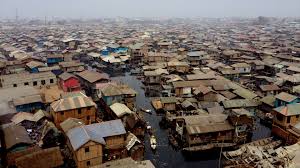
Experts say only about 20 per cent of Nigeria’s 216 million population are house owners, thereby, leaving an estimated 28 million housing deficit, which will require about N21 trillion to bridge the huge gap.
The combination of a growing urban population, lack of an efficient mortgage system, poverty, increasing construction costs, high inflation and declining household income, have made access to decent and affordable housing difficult for many Nigerians.
Living in the Federal Capital Territory for the middle and low class citizens, is a great hassle, as most of the residents have to pay through their noses in order to afford comfortable housing facility.
Housing deficit in Nigeria has made many people to move from urban areas to the rural or suburb areas just to have access to affordable houses or acquire cheap landed property.
These choice of houses according to our respondents are just manageable but not their dream houses.
Despite Federal Government and the Federal Capital Authority efforts at mitigating the space constraints in terms of housing deficit, Abuja residents keep facing several challenges such as overcrowding and high cost of rent on a daily basis.
Residents in Abuja yearn on a daily basis for the day they can truly call a house their home, and their voices echo the need for change. It can be heard in.their voices, and in their reality. They keep looking forward to the day they will acquire befitting houses in a decent environment that can promote good health as well engender their productivity and service delivery.
Speaking with one of Abuja residents who lives in Dutse Baupma, under Bwari Area Council, she says ‘ Paying for house rent is a quagmire, we pay through our noses before we can pay our landlord. Every year, we pay close to 400, 000 naira to our landlord.
“If you see the house where we live, you will pity our lives.Affordable housing is like a tall dream to people in my category. We hope that one day the government will help us, and subsidise housing prices.
According to another respondent, Rotomi Ayodele, the CEO of Emerald Shelter Abuja, the challenges in Abuja’s housing sector are multi-faceted, from skyrocketing land prices to inadequate urban planning.
“Access to good housing has become an elusive dream for many, as echoed by Mr. Usman, a civil servant: “The cost of land and property is astronomical. It’s a privilege for the wealthy, not for the masses like us,” he said.
An Architect, Mr Nkem Okonkwo, said the payment of houses is exorbitant, especially in places like central area, Lokogoma, and other high brow areas like Maitama, Asokoro, and other areas.
“We do not have enough affordable housing projects , but they are often out of reach for the majority. It is only the rich that can afford it.
He noted that the so-called affordable housing schemes have complicated eligibility criteria. They end up benefiting the well-connected, not the common man”, he explained .
Affordable housing plays a vital role in improving living conditions for Nigerians, especially for low-income earners. It goes beyond providing a roof over the heads of citizens, by ensuring access to basic amenities that are essential for a healthy and fulfiling life.
Abuja residents are of the view the if challenges that include lack of favorable government policies, high costs of construction materials, high property costs, and a lack of access to credit for potential homeowners, can be addressed, there will be a level playing ground for citizens, especially the low income earners to own affordable houses.