Bukola Afeni
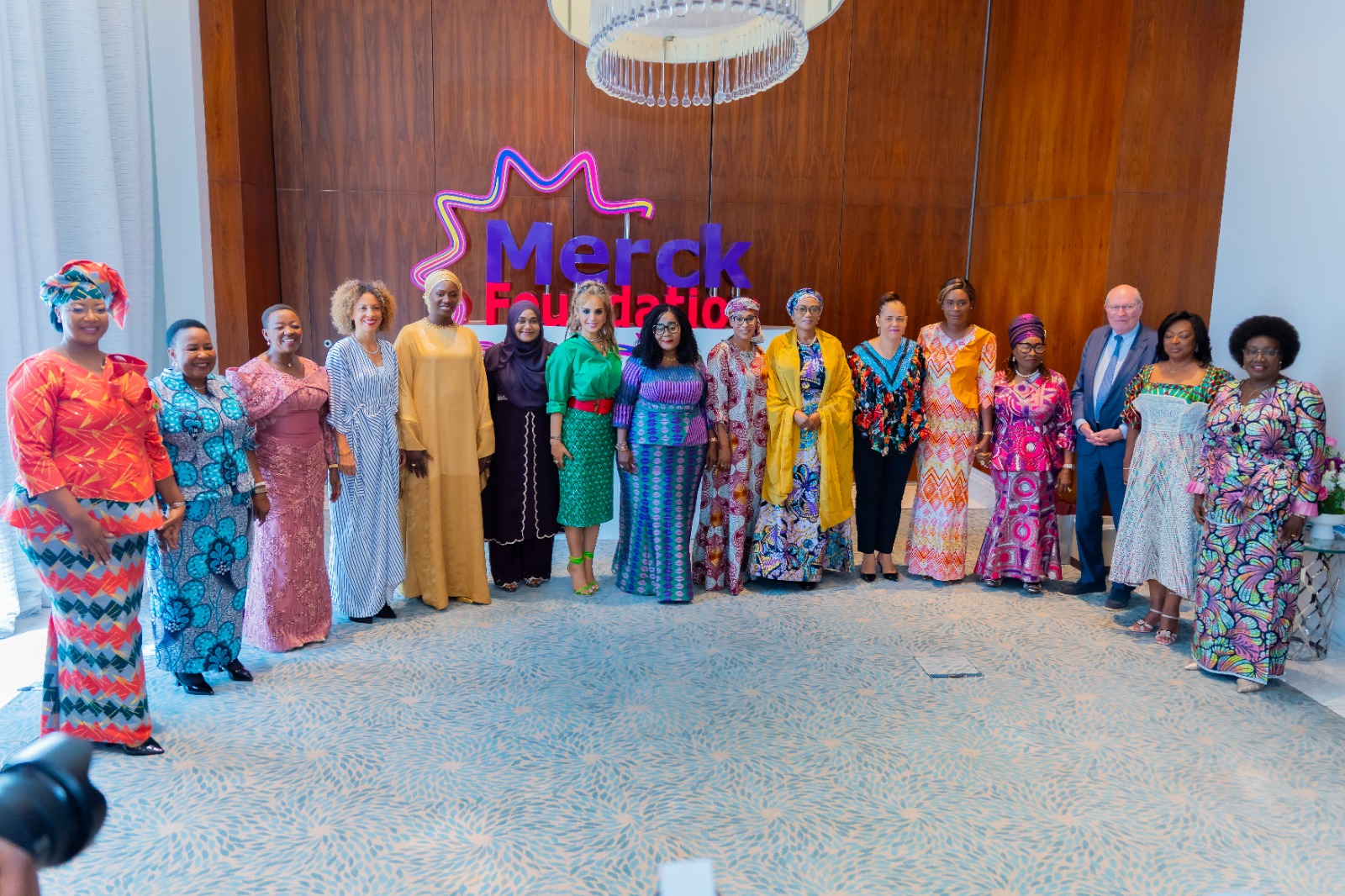
As the world marks World Cancer Day 2026, the Merck Foundation, in partnership with African First Ladies, has intensified efforts to strengthen cancer care across Africa and parts of Asia.
The health body has awarded 258 oncology scholarships to healthcare providers from 34 countries.
The CEO of Merck Foundation, Senator Dr Rasha Kelej made the disclosure in a statement to mark the World Cancer Day celebration.
She disclosed that the foundation has also launched a children’s storybook and an adaptive animation film titled “Ray of Hope” to raise awareness about cancer, particularly childhood cancer.
According to her, the initiative aims to address critical gaps in cancer care, particularly late diagnosis and the shortage of trained oncologists, by building sustainable oncology capacity and multidisciplinary cancer care teams.
The participating countries include Botswana, Burkina Faso, Burundi, Cameroon, Central African Republic, Chad, Congo Brazzaville, Democratic Republic of the Congo, Ethiopia, Gabon, The Gambia, Ghana, Guinea, Kenya, Liberia, Malawi, Malaysia, Mauritius, Mozambique, Namibia, Nepal, Niger, Nigeria, Rwanda, São Tomé and Príncipe, Senegal, Sierra Leone, South Africa, Sri Lanka, Tanzania, Togo, Uganda, Zambia, and Zimbabwe.
Dr. Kelej explained that the initiative emphasizes the importance of early detection and access to well-trained cancer care professionals.
“Nearly two-thirds of cancer cases can be successfully treated when diagnosed early, and up to one-third can be prevented by reducing key risk factors such as exposure to radiation, certain infections, and lifestyle-related causes,” she said.
“The story deals with childhood cancer and highlights the critical importance of early detection and access to well-trained cancer care teams capable of recognizing early warning signs.”
She further noted that Merck Foundation marks World Cancer Day not just symbolically, but through sustained action.
“At Merck Foundation, we address one of the most critical gaps in cancer care in Africa, which is late diagnosis and the shortage of trained specialists.
Together with African First Ladies, we have provided 258 oncology scholarships, significantly increasing the number of trained oncologists and multidisciplinary cancer care teams,” Dr. Kelej stated.
According to her, in several participating countries such as The Gambia, Sierra Leone, Burundi, Liberia, Guinea Conakry, Central African Republic, Chad, and Niger, there were previously no oncologists.
In total, Merck Foundation has awarded over 2,500 scholarships to healthcare providers from 52 countries across 44 critical and underserved medical specialties.
“Supporting the initiative, World Health Organization (WHO) data from 2022 shows that Africa records approximately 1.1 million new cancer cases.
It has about 700,000 cancer-related deaths annually, with mortality rates significantly higher than in many other regions due to late diagnosis, limited access to care, and weak health systems.”
To further drive awareness, the Merck Foundation has developed cancer prevention and early detection materials, including leaflets and educational videos, while continuing to collaborate with African First Ladies and Ministries of Health through its Cancer Access Program.
The foundation reaffirmed its commitment to transforming cancer care and improving patient outcomes across Africa, with the long-term goal of building a healthier future for the continent.


