Bukola Afeni
Save the Children has called on Nigeria governments to address food insecurity and climate crisis in the country.
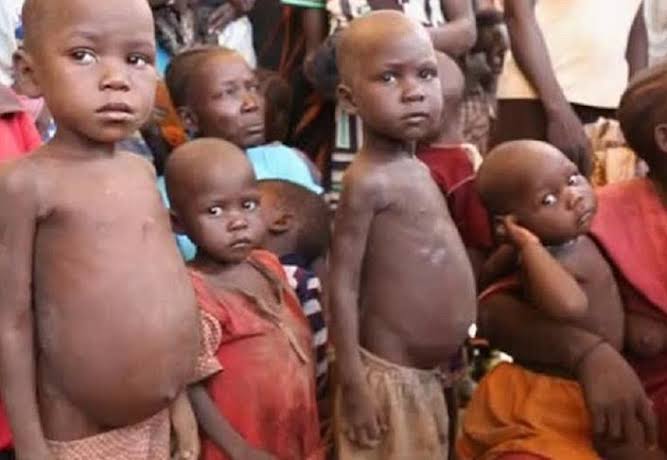
According to the data released on November 5, by Save the Children, an additional one million children in Nigeria will be suffering from acute malnutrition by April next year, without urgent action.
The body stated that extreme flooding, escalating violence and rampant food shortages fuels a deepening hunger crisis.
Save the Children’s Country Director for Nigeria, Duncan Harvey, said: “In Nigeria, the crisis is reaching unprecedented levels as catastrophic climate disasters, escalating insecurity, and soaring prices threatens to leave over 16 million children hungry.
“Urgent action is essential to combat this devastating and unacceptable trend of child hunger and malnutrition, and we need to ensure a brighter future for Nigeria’s children.”
According to the humanitarian organization, “Analysis of new hunger data from Cadre Harmonis, the leading regional authority on the severity of hunger crises in the Sahel and West Africa, showed that 5.4 million children are now at risk of facing acute malnutrition by next April, a 25% increase compared to the 4.4 this past April.
“Among them, about 1.8 million could be experiencing Severe Acute Malnutrition (SAM), the deadliest form of malnutrition that compromises children’s immune systems and turns otherwise treatable illnesses, such as diarrhea, potentially lethal. This represents an alarming 80% increase in SAM cases.”
The statement further reads: “During this year’s lean season, the season between harvests, about 31.8 million people were estimated to be facing crisis or worse acute food insecurity . Next year it’s predicted that 33 million people in Nigeria will not know where their next meal will come from, including over 16 million children.
“Hunger has risen sharply in Nigeria in recent years, up from about 7% of the population analysed by the UN in 2020 to 15% currently.
“The situation is particularly dire in the northwest and northeast of the country, where ongoing conflict and insecurity are driving displacement and disrupting livelihoods.
“With a population of about 230 million, Nigeria is highly vulnerable to the impacts of the climate crisis. Expanding desertification is consuming farmland and limiting communities’ ability to grow food. This year the country has faced its worst floods in 30 years, killing over 300 people and forcing 1.2 million people from their homes.”
“Save the Children is calling on governments to address food insecurity by tackling food shortages, stabilize rising prices, and increase protection for farmers facing violence from armed groups. Governments also need to address the climate crisis by building communities’ resilience, as well as more awareness and early warning for people to prepare for climate induced disasters,” the statement added.