Bukola Afeni
The Federal Government have assured Nigerians of uninterrupted tuberculosis (TB) treatment, with plans to procure essential drugs and diagnostic tools using domestic funding. This move is part of efforts to reduce reliance on foreign aid and strengthen the country’s health system.
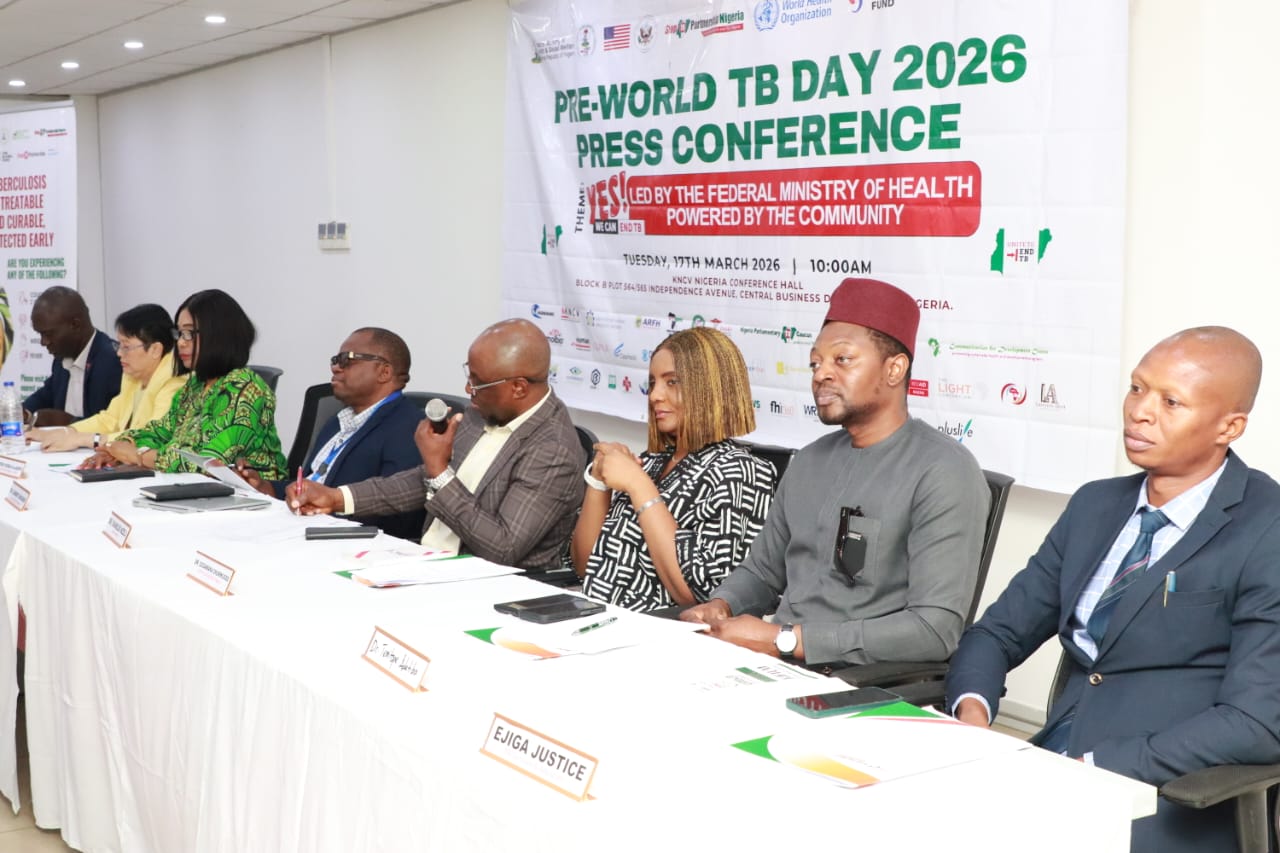
The Director of Public Health at the Federal Ministry of Health, Dr. Charles Nzelu, made the disclosure at the 2026 Pre – World TB Day press briefing in Abuja.
He said government has activated measures to prevent possible shortages of TB medications, following projections that some drugs are not currently covered under existing procurement could run out.
According to him, the national TB programme has already set procurement processes in motion, drawing from a $200 million sector-wide health fund approved by the government but not accessed in the previous year.
Nzelu disclosed that officials are closely monitoring the situation and engaging procurement processes to ensure timely supply of TB commodities across the country.
He revealed that the government is spending between $50 million and $54 million monthly on health-related procurements, a figure he noted translates to billions of naira.
The development, he said, reflects a significant shift from Nigeria’s previous dependence on donor support, as the government increases domestic investment in healthcare delivery.
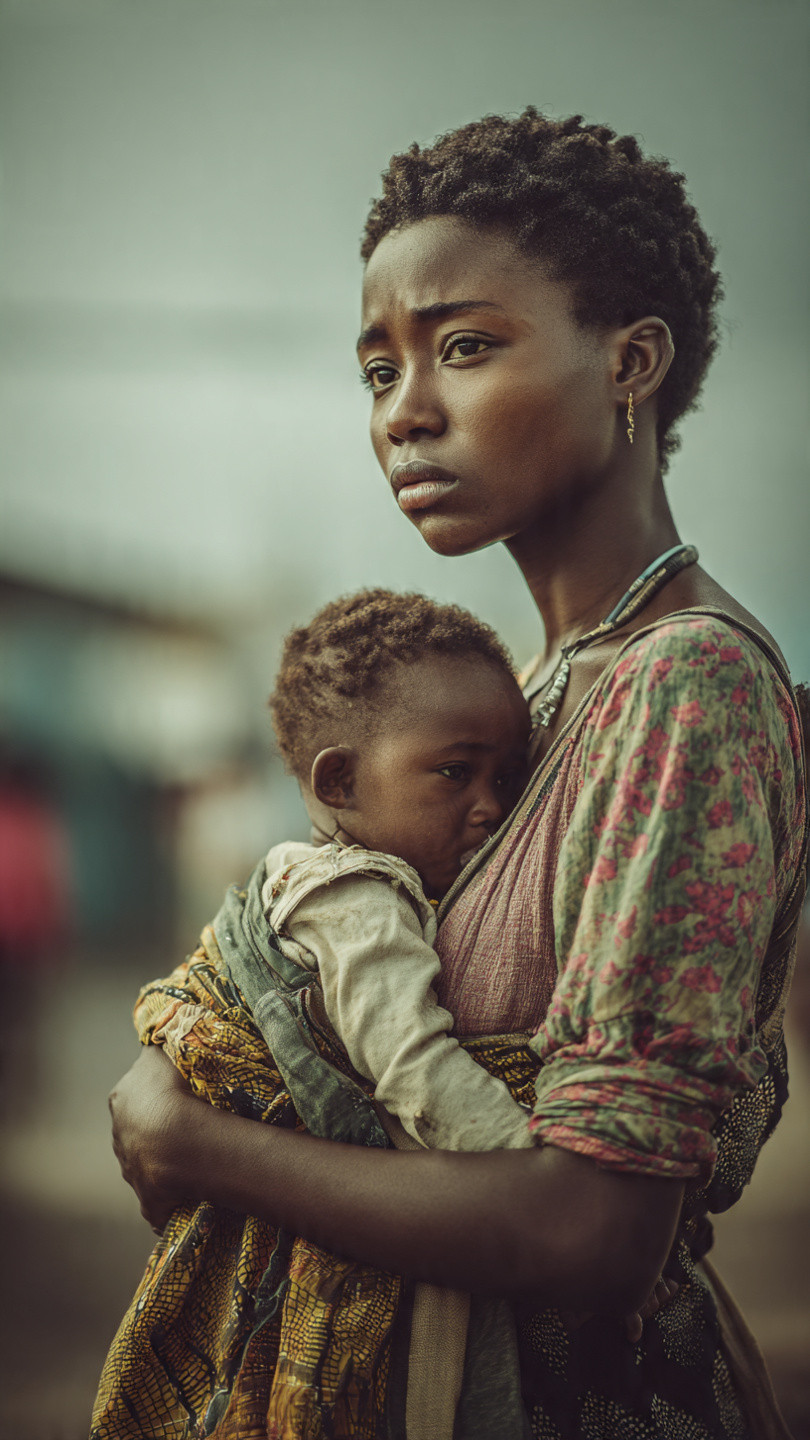
While speaking about children tuberculosis, Nzelu said children are not being neglected under the national programme.
“When we want to talk about TB in Nigeria, we are not segregating the children.
He also stated that the government is funding the procurement of point-of-care diagnostic tools, alongside support expected from development partners such as the Global Fund.
The Board Chair of the Stop TB Partnership, Dr. Queen Ogbuji,said the First lady Senator Oluremi Tinubu has been on the driver seat responding to TB issues in the country.
She further noted that the wives of Governors and private sector actors are actively driving domestic resource mobilisation in various states.
“We have states such as Lagos, Kebbi, and Nasarawa and others who are making contribution towards TB control response in the country”
“To support TB response in Nigeria, two billion naira has been utilized by the ministry to procure diagnostic tools that are distributed across the country. This is the First Lady’s effort, at being on the driving seat to respond to TB issues in this country,” she said.
Dr. Temitope Adetiba of the Institute of Human Virology Nigeria emphasized the importance of community ownership and partner alignment to achieve sustained TB control.
“TB is a disease of missed opportunities. When you find TB, you find poverty, you find malnutrition, you find poor housing conditions. It is a disease of inequality,” he said.
Adetiba noted that Nigeria has made substantial progress, with over 80 percent of patients now being diagnosed, and TB services have been scaled to more than 20,000 health facilities nationwide.
Through Global Fund support, IHVN said it has engaged over 23,000 private healthcare providers, including patent medicine vendors, pharmacists, traditional healers, and bed attendants, to offer free TB and HIV services.
“Every state of this country that you visit, there are private health care providers who are offering free TB and HIV counselling, testing, prevention, all for free. We need to reach every underserved Nigerian,” he said.
Adetiba also highlighted integrated TB and HIV services, noting that over two million pregnant women were screened between 2024 and 2025.
He emphasized the use of digital tools, mobile screening platforms, and integrated specimen logistics to strengthen diagnostics.
Adetiba affirmed IHVN’s commitment to supporting sustained government leadership, empowering communities, driving innovation, and strengthening systems to ensure long-term sustainability.